Did You Update BERMAD Connect Already? Check It Out

Update BERMAD Connect Today! Check It Out

Solenoids

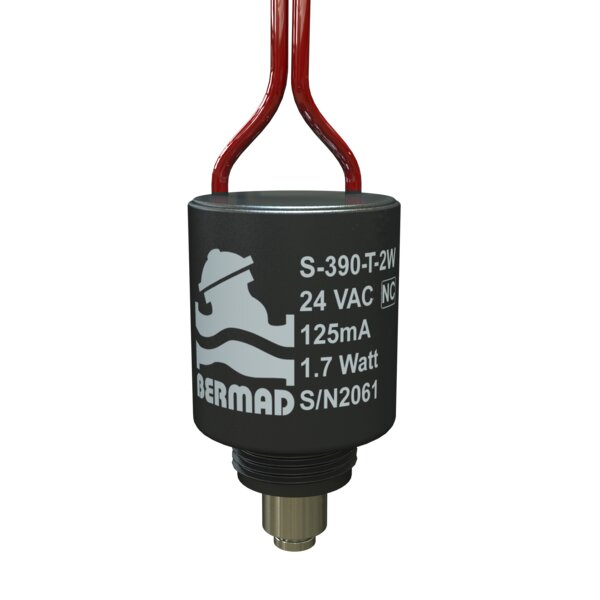
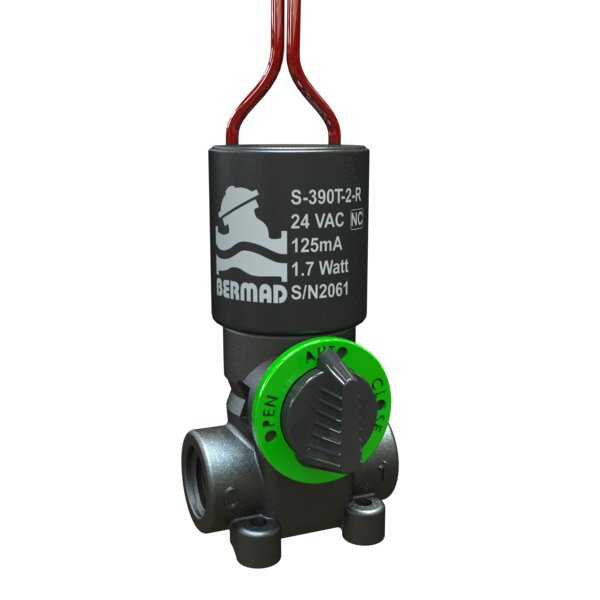
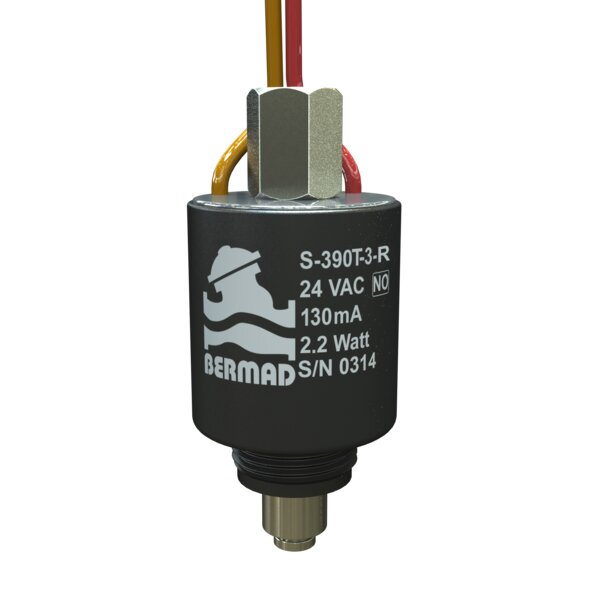
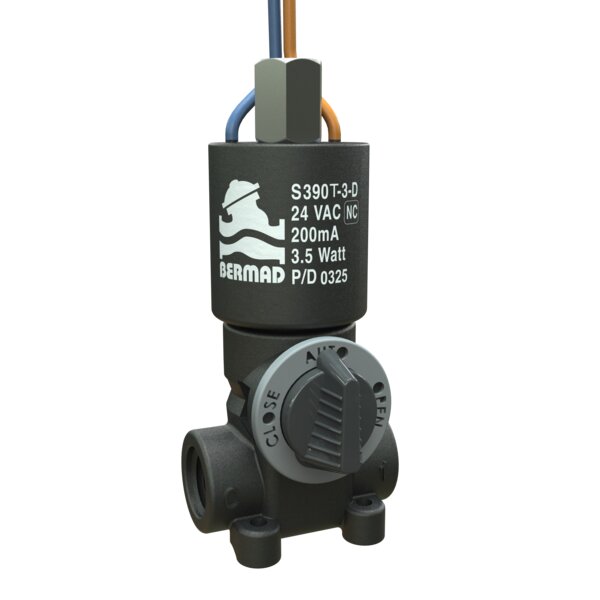
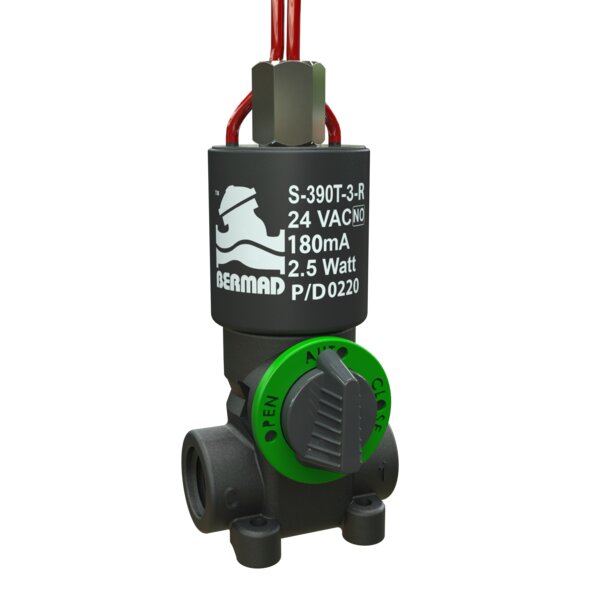
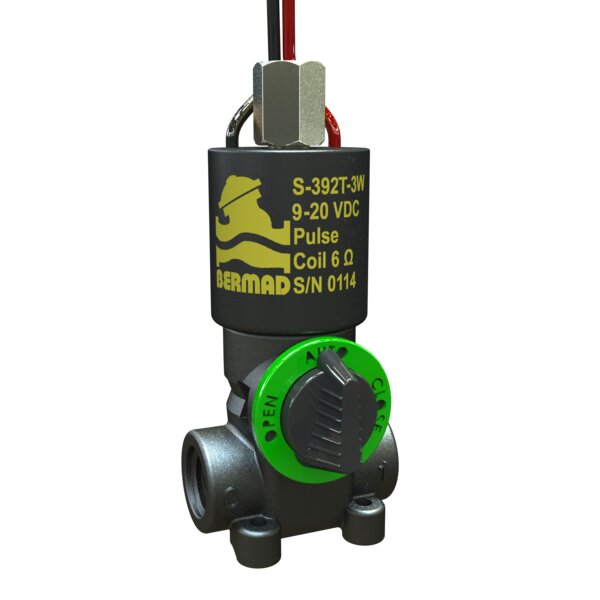
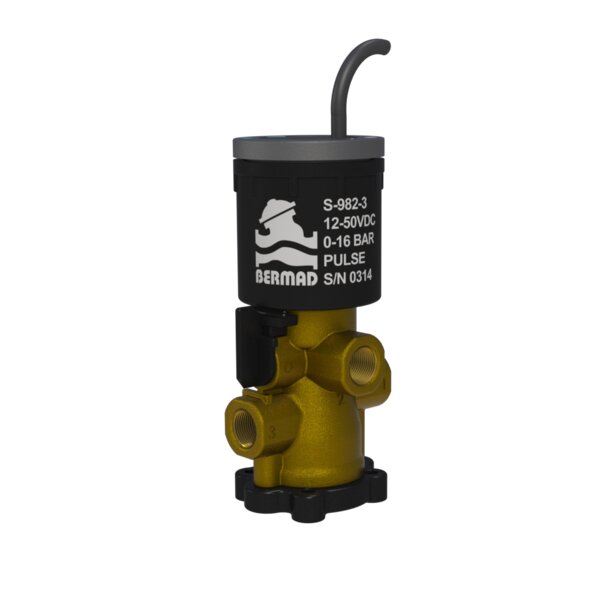
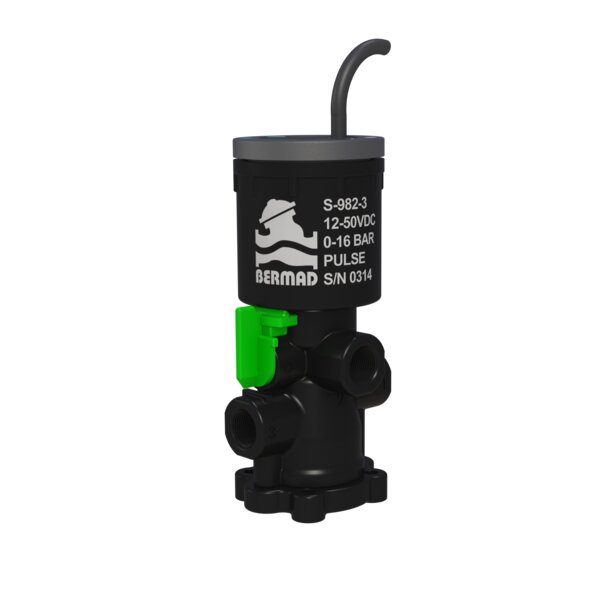
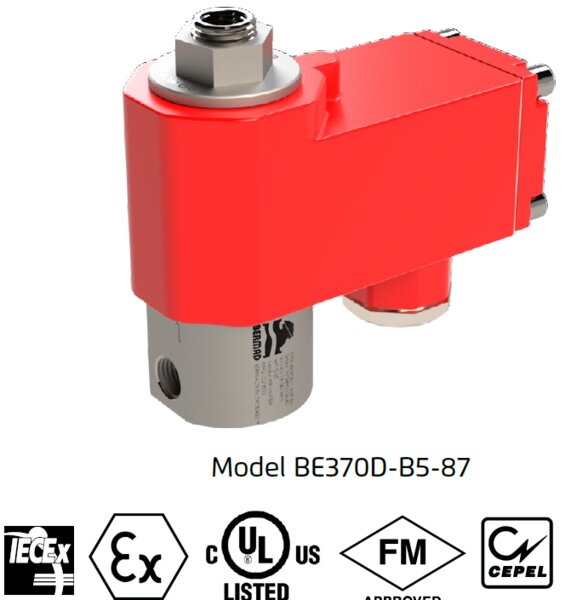
BERMAD provides a comprehensive range of solenoids engineered for seamless integration with our automatic Irrigation control valves. These solenoids enable precise hydraulic control, supporting electric On/Off operation, pressure reduction, sustaining, flow regulation, relief, surge protection, and pump control. Available in Normally Closed (NC), Normally Open (NO), or Latch type, with voltages from 9VDC to 24VDC and 24VAC, BERMAD solenoids ensure reliable and efficient system performance.

Filter Solenoids by
Reset all
Products Found
Showing - out of

What Are Solenoids What Are

Solenoids are electrically operated control components that convert an electrical signal into precise hydraulic action. A magnetic force is generated by the solenoid coil; when energized, it has enough power to lift a metallic plunger and change the hydraulic passage. In BERMAD systems, solenoids play a critical role in activating and directing hydraulic control valves, enabling reliable on/off operation, automation, and remote control across waterworks, irrigation, and fire protection applications.

How to Choose the Right Solenoid

Choosing the right solenoid depends on how it will interact with the hydraulic control valve and the overall system logic. Key factors include the required control function, operating pressure, reaction time, electrical supply, and the desired valve position during power loss. In BERMAD systems, solenoids are selected to ensure accurate, reliable actuation of automatic control valves across a wide range of applications.

Key Selection Considerations

When specifying a solenoid, engineers should consider whether a Normally Open (NO), Normally Closed (NC), or Latch solenoid is required, along with voltage type (AC or DC) and response time. Compatibility with the control valve model—such as BERMAD solenoid-controlled valves—and compliance with applicable standards are also critical for long-term system reliability.

Which Solenoid Do I Need for My System?

This is a common question among BERMAD customers designing or upgrading automated water networks. The correct solenoid depends on the function it performs within the valve control circuit—whether it is used for on/off isolation, pressure control activation, or emergency release in critical systems such as fire protection.

Application-Based Examples

For standard on/off control of hydraulic valves, BERMAD solenoids used with the 710 Solenoid Controlled Valve provide dependable and energy-efficient operation. The chosen solenoid needs to have potable water approvals. In irrigation control schemes, solenoids integrated into solutions like the IR-410-3W-RX or IR-110-3W-X enable precise 3-way hydraulic logic, supporting automated controllers and remote operation.

What Are Solenoid Valves Used For?

Solenoid valves are used to electrically control the opening and closing of fluid flow within pressurized systems. In waterworks, irrigation, and fire protection networks, they enable automation of functions such as isolation, pressure control activation, emergency shutoff, and remote operation. In BERMAD solutions, solenoid valves work in conjunction with dedicated solenoids to reliably actuate large hydraulic control valves.

What Are the Two Types of Solenoid Valves?

From a functional standpoint, solenoid valves are generally divided into direct-acting and pilot-operated (solenoid controlled) valves. Each type serves different pressure, flow, and system complexity requirements.

Pilot-Operated (Solenoid Controlled) Valves

Pilot-operated solenoid valves are large-passage valves that have a diaphragm to open and close. The solenoid coil controls the upper chamber of the valve to close or open it. They are usually used in very large control chamber valves, such as 16", 20", and 24" valves.

Direct Acting-Operated (Solenoid Controlled) Valves

Direct-acting solenoids are used in irrigation and waterworks applications where the magnetic coil is strong enough to lift a metallic plunger and change the flow in a 3-way valve. The units are usually smaller, easy to operate, and have a small flow through their orifice, making them suitable for controlling valve chambers up to 12" in size.

What Are Solenoid Valves Made Of?

Solenoid valves are constructed from materials selected to withstand pressure, corrosion, and environmental conditions. Valve bodies are typically made from brass, stainless steel, polymers, or engineered alloys, while internal components include stainless steel plungers, springs, diaphragms, and elastomeric seals such as EPDM or NBR. In BERMAD systems, solenoids and solenoid-controlled valves are engineered for durability, accuracy, and long-term performance in demanding water applications.