

Solusi Perlindungan Lonjakan Lanjutan untuk Proyek Restorasi Ekologis Tiga Danau, Tiongkok

 Pekerjaan Air
 2025
2025 Cina
Cina

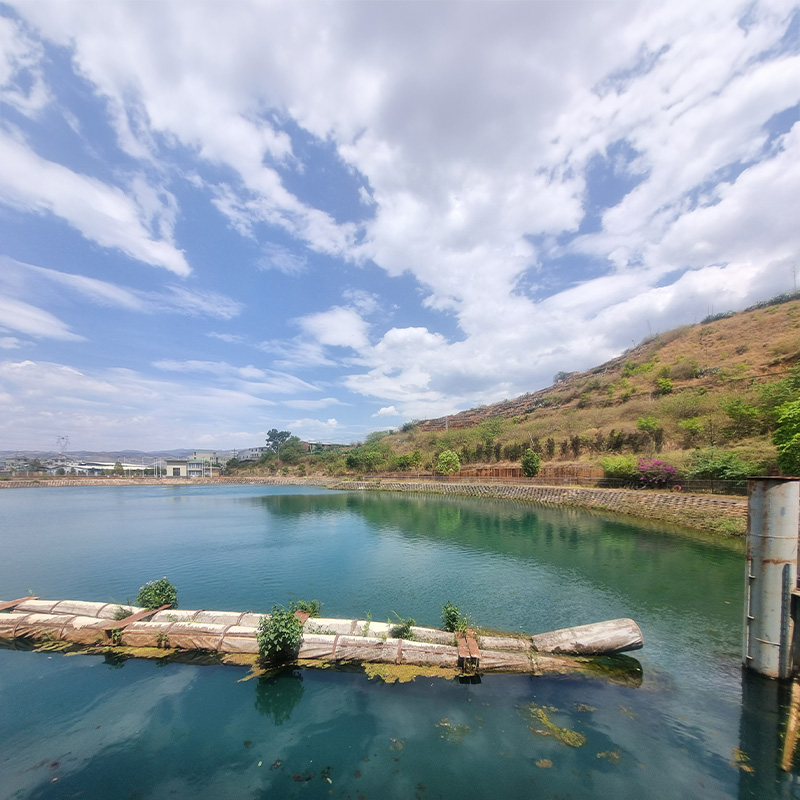
Melindungi Danau Air Tawar Yunnan
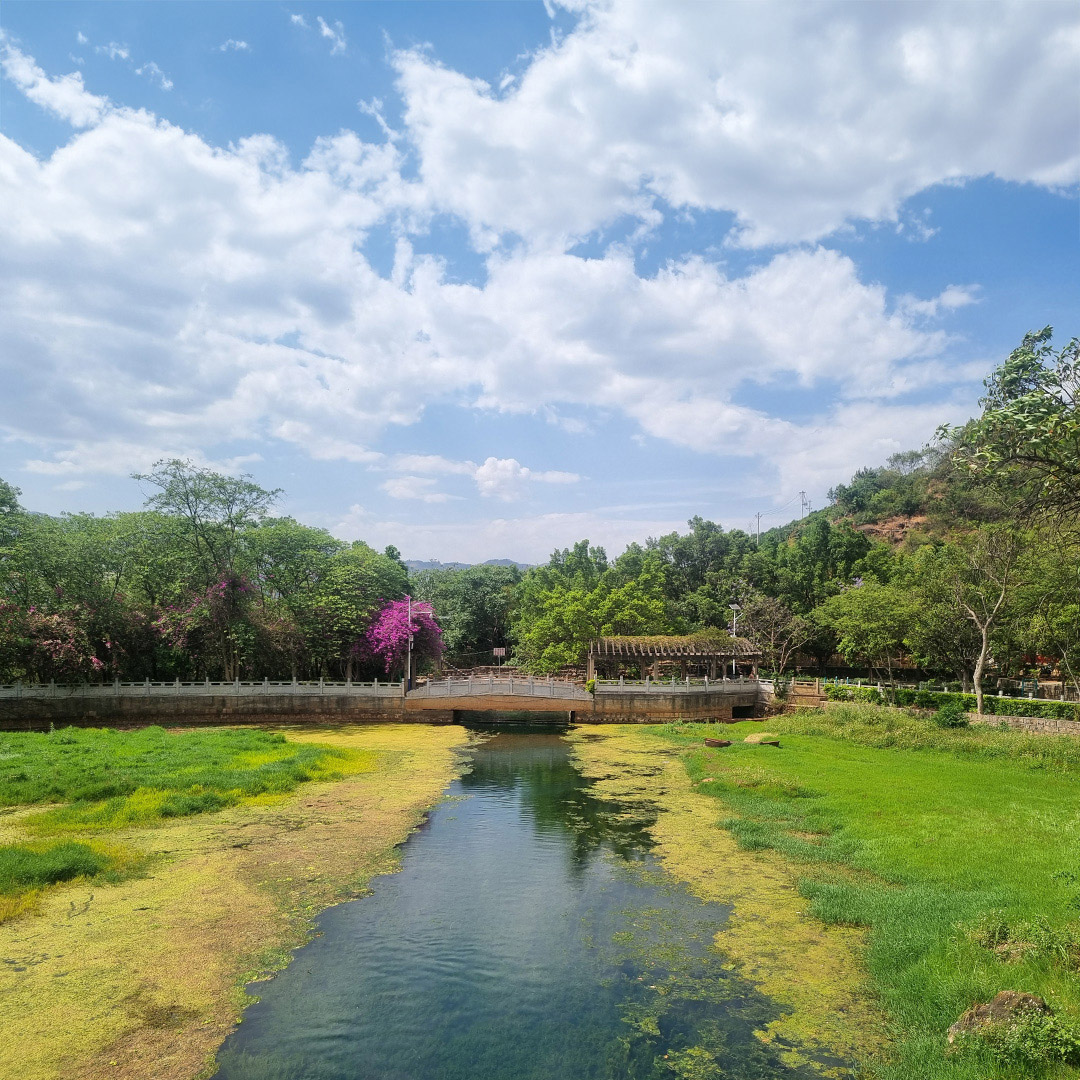
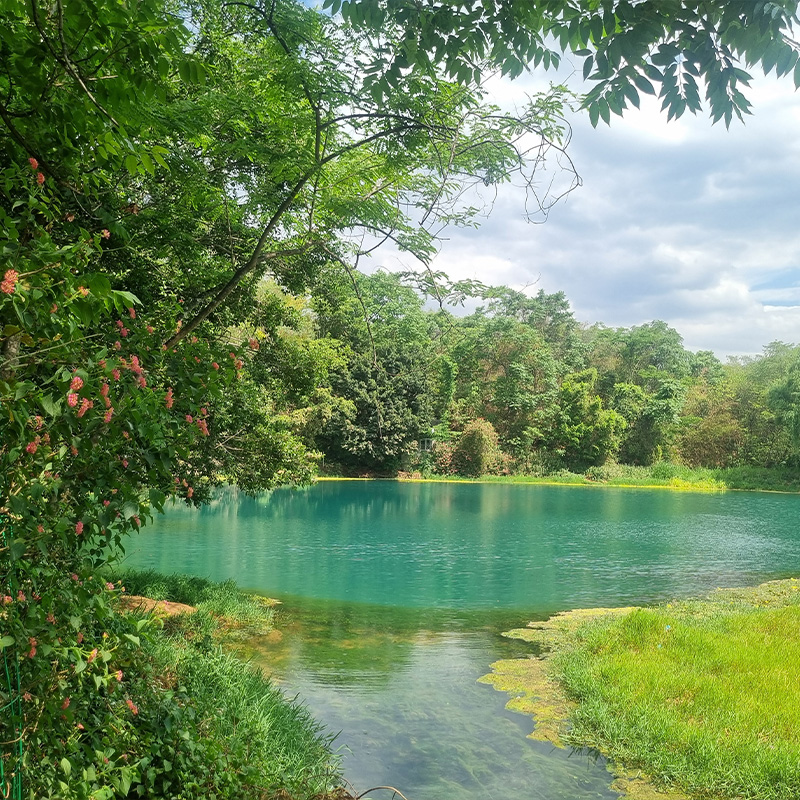
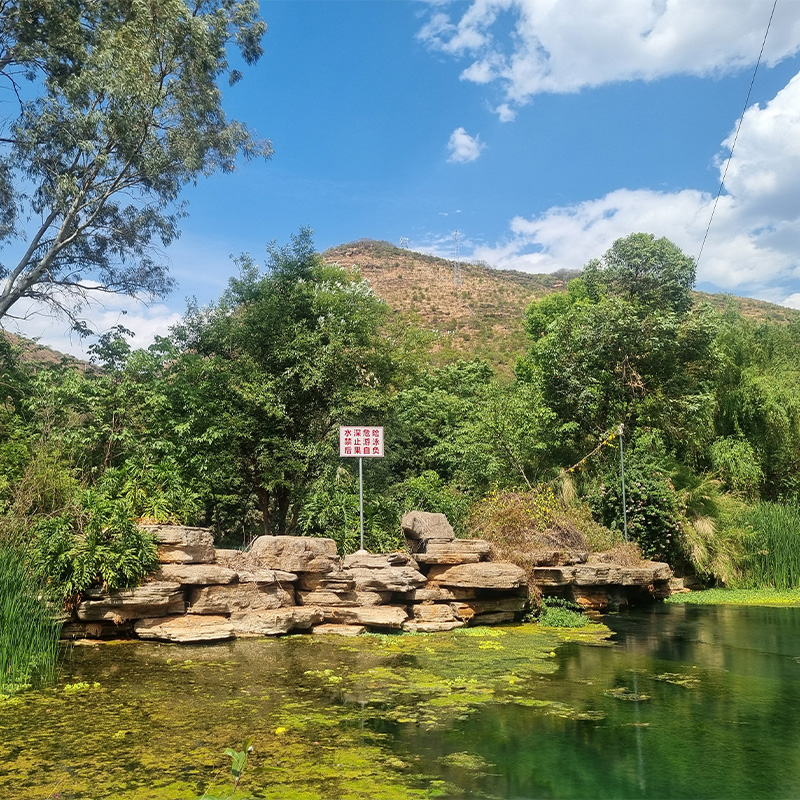
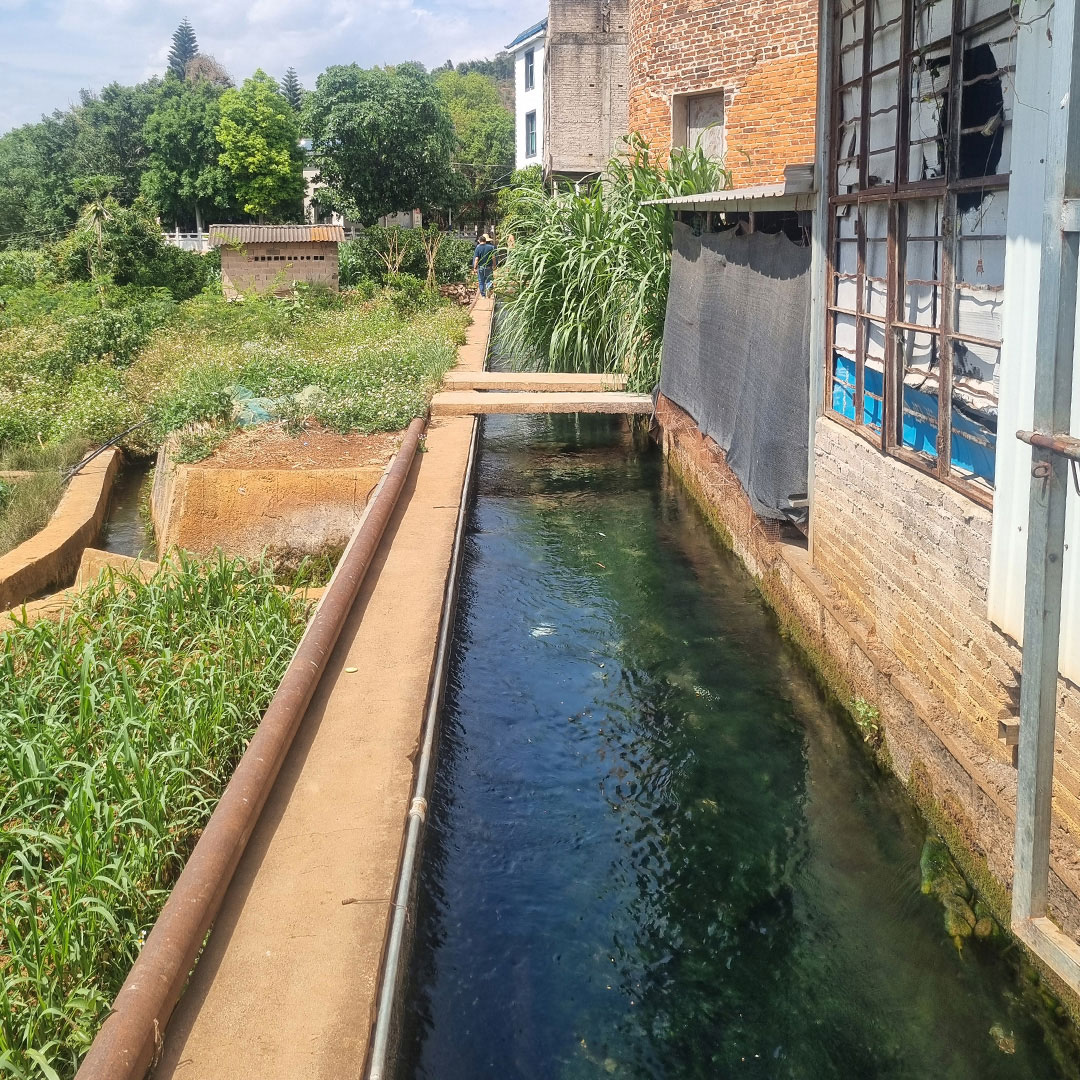
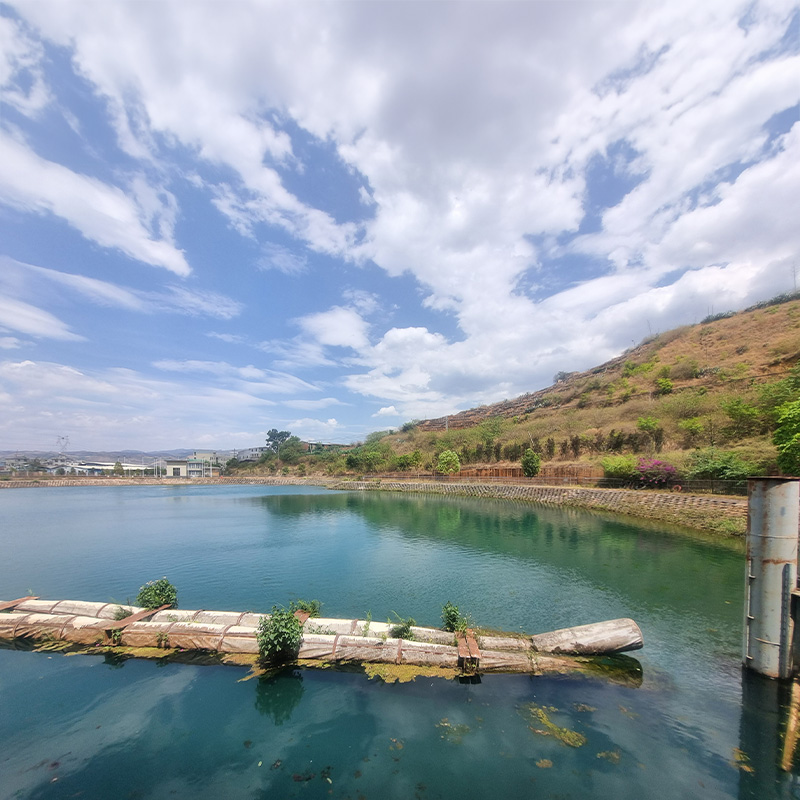
Terletak di jantung Provinsi Yunnan di Tiongkok barat daya, kota Yuxi merupakan pusat industri dan ekologi yang dikelilingi oleh tiga danau air tawar penting: Fuxian, Xingyun, dan Qilu. Dalam beberapa tahun terakhir, danau-danau ini mengalami penurunan permukaan air dan peningkatan polusi, yang mengancam lingkungan serta masyarakat yang bergantung padanya. Untuk mengatasi hal ini, Proyek Penyediaan Air Massal Wilayah Timur Yuxi, yang juga dikenal sebagai “Proyek Tiga Danau”, didirikan dengan total investasi sebesar 1,89 miliar Yuan (sekitar US$263 juta). Proyek ini bertujuan untuk menyalurkan air pegunungan bersih dari Mata Air Dalongtan guna memperbaiki kondisi ekologi air danau serta memastikan pasokan air bagi wilayah pedesaan, kebutuhan irigasi, dan pengembangan industri bagi lebih dari 1,5 juta penduduk di lima distrik administratif. Dengan demikian, proyek ini mendorong keberlanjutan lingkungan dan berkontribusi pada pelestarian ekosistem alami di kawasan tersebut.
Mengelola Risiko Elevasi Ekstrem dan Lonjakan
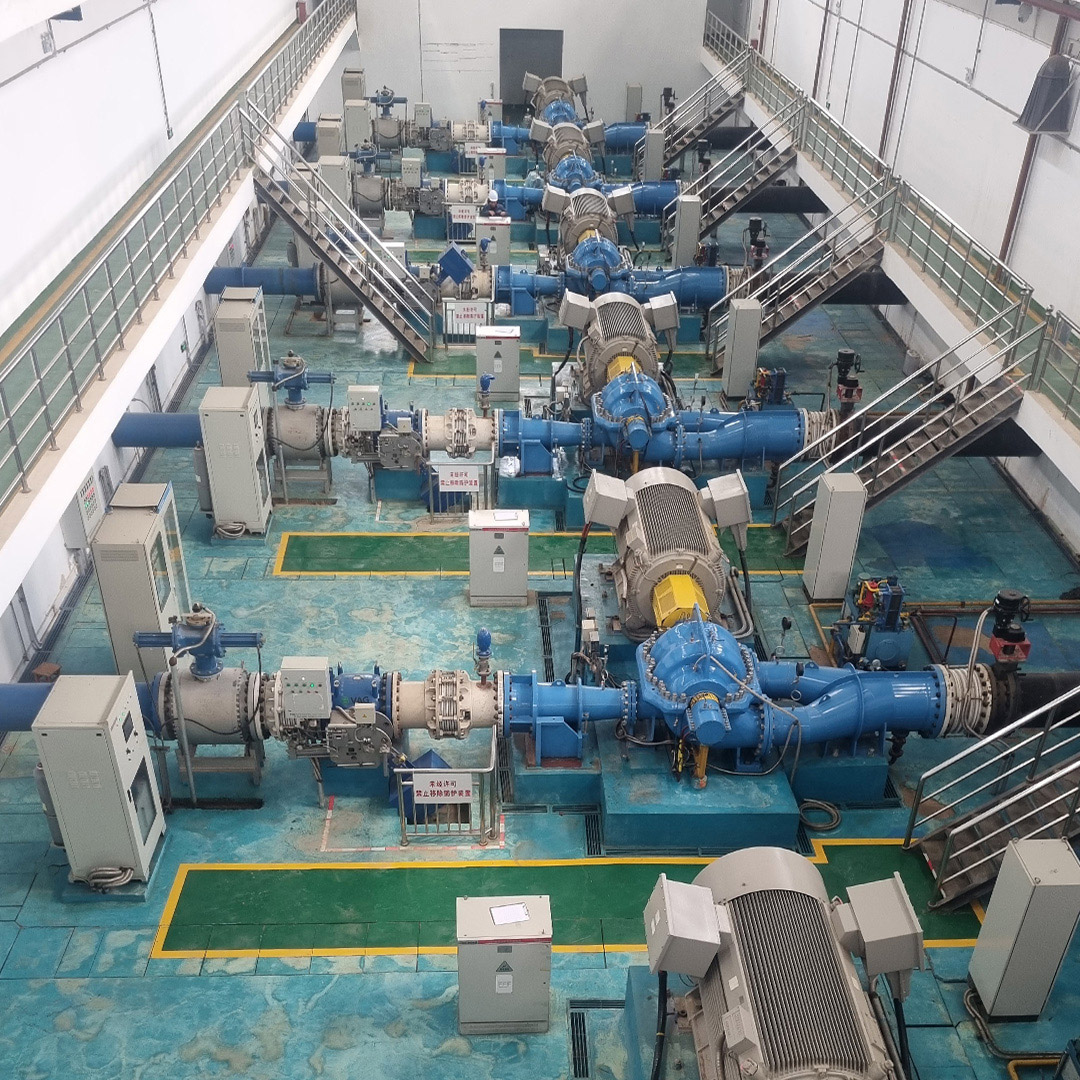
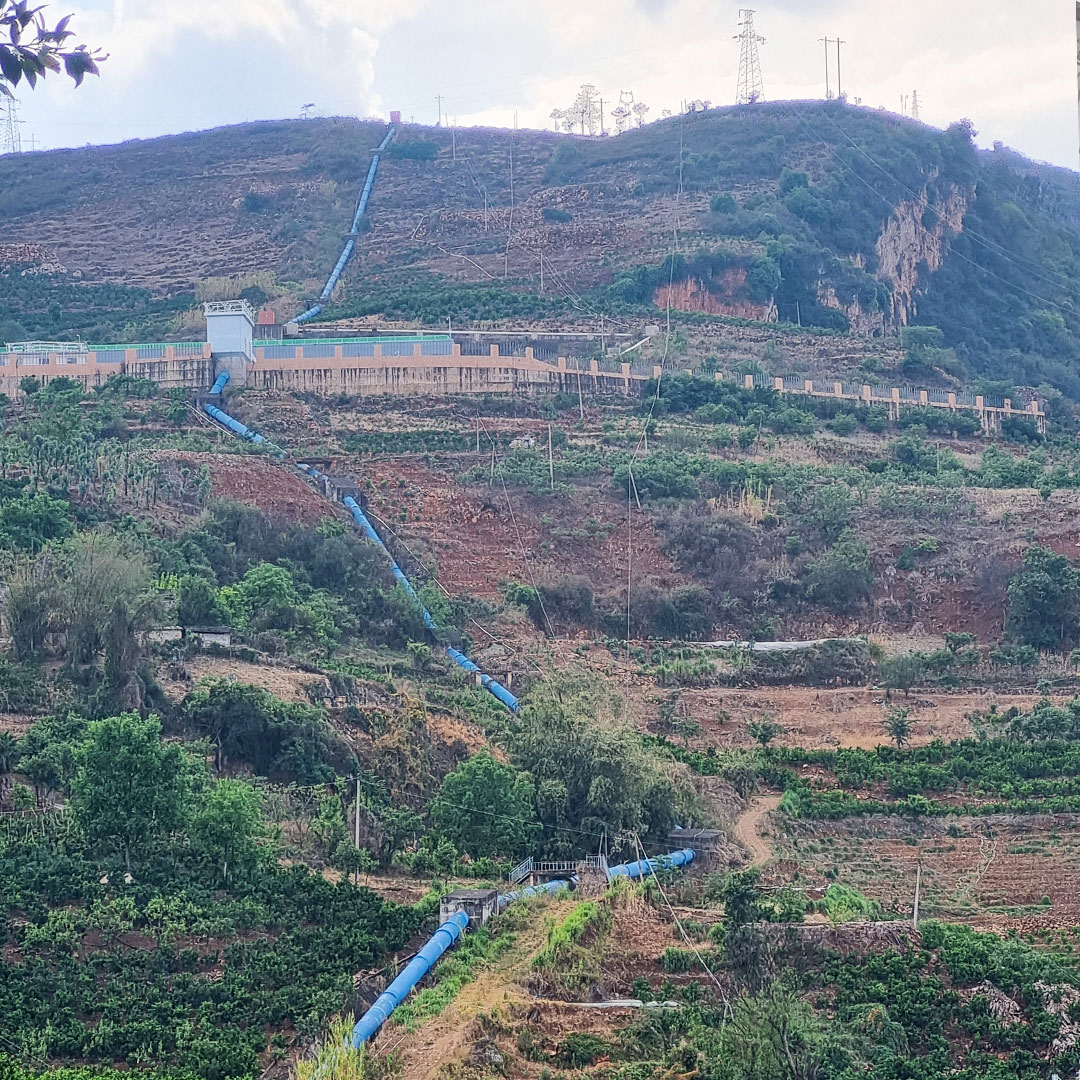
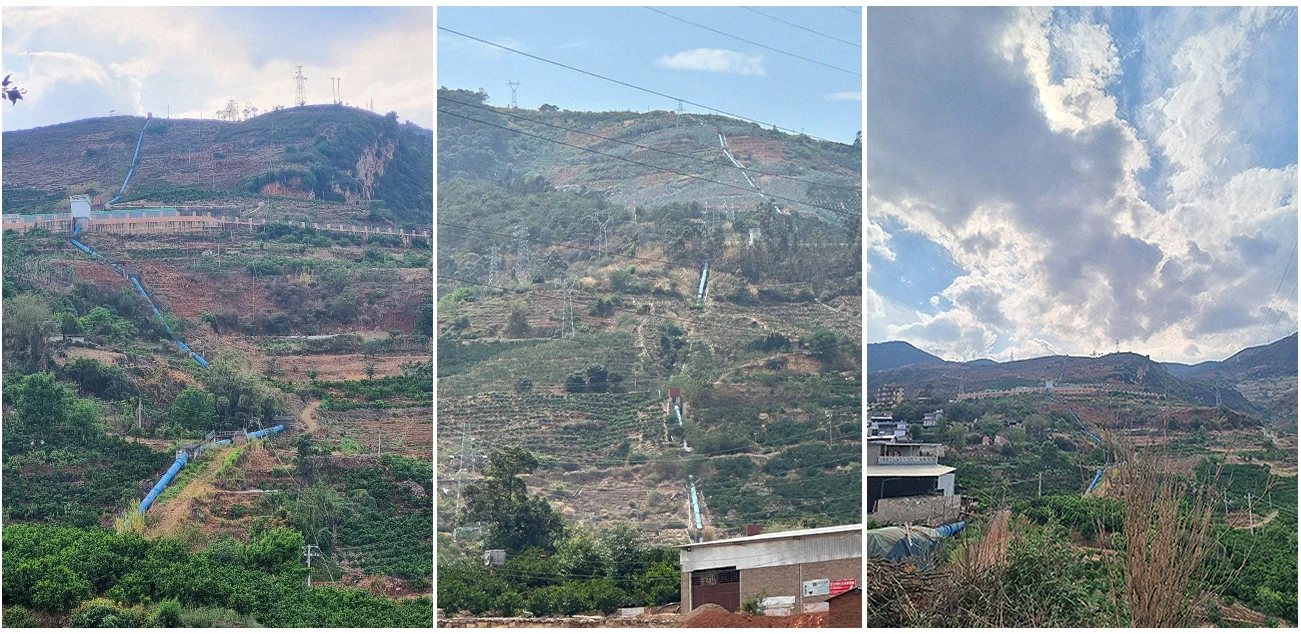
Proyek ini memerlukan pengangkatan air melintasi elevasi setinggi 941 meter dari mata air Dalongtan ke reservoir di atas bukit. Untuk mencapai hal tersebut, serangkaian tiga stasiun pompa dirancang dan dibangun. Setiap stasiun pompa terdiri dari enam pompa berkapasitas tinggi yang dipasang secara paralel (empat di antaranya beroperasi secara bersamaan), mengalirkan air melalui pipa logam berdiameter 1.200 mm dengan total jarak lebih dari 6,5 kilometer.
Tabel berikut memuat informasi teknis utama tentang sistem:
| Parameter Sistem | Stasiun Pompa 1st | Stasiun Pompa 2nd | Stasiun Pompa 3rd |
| Jumlah Pompa | 6 (4 Aktif + 2 Siaga) | ||
| Laju Aliran Pompa Tunggal (m3/jam) | 2250 | ||
| Total Laju Aliran (m3/jam) | 9000 | ||
| Kepala Pompa (m) | 237 | 356 | 356 |
| Diameter Pipa Jalur Utama (mm) | 1200 | ||
| Panjang Jalur Utama (m) | 1415 | 2663 | 1957 |
Sistem seperti ini, meskipun sangat kuat, sangat rentan terhadap transien hidraulik, terutama saat kegagalan daya atau penghentian pompa darurat, ketika cairan yang sedang bergerak dipaksa untuk berhenti atau berubah arah secara tiba-tiba. Peristiwa-peristiwa ini dapat memicu lonjakan tekanan berbahaya, yang berisiko merusak pompa, pipa, katup, dan komponen sistem lainnya, serta berisiko menyebabkan ledakan, banjir, dan kehilangan nyawa manusia. Oleh karena itu, solusi perlindungan lonjakan harus diterapkan setelah melakukan analisis lonjakan yang komprehensif.
Analisis dan Simulasi Lonjakan
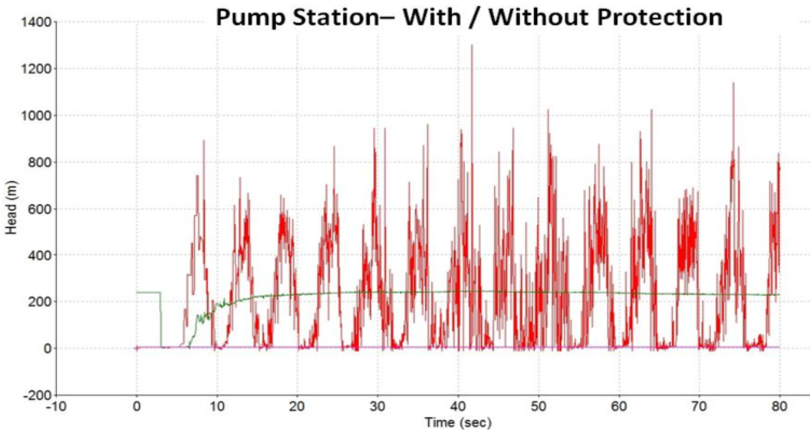
Analisis lonjakan yang mendetail telah dilakukan oleh para ahli BERMAD. Dengan menggunakan perangkat lunak KY Pipe, simulasi memodelkan skenario terburuk, termasuk pemadaman pompa yang tidak terkendali. Hasil analisis lonjakan menunjukkan:
- Hasil tanpa perlindungan: lonjakan tekanan negatif dan positif terjadi di ketiga stasiun pompa serta di sepanjang setiap pipa pembuangan dalam skenario semua pompa mati akibat kegagalan daya.
- Hasil dengan solusi perlindungan lonjakan: dengan menerapkan solusi perlindungan lonjakan dari BERMAD, fenomena lonjakan dapat diminimalkan sehingga profil tekanan menunjukkan skenario transien yang terkendali dan operasi yang aman di seluruh stasiun pompa serta di sepanjang setiap pipa pembuangan.
Grafik ini menggambarkan perilaku tekanan (head dalam meter vs. waktu dalam detik) di salah satu dari 3 stasiun pompa selama kegagalan listrik:
- Garis merah menunjukkan perilaku tekanan selama kegagalan listrik tanpa adanya solusi perlindungan lonjakan yang diterapkan. Lonjakan tekanan yang signifikan terlihat jelas.
- Garis hijau menunjukkan perilaku tekanan selama kegagalan listrik dengan solusi perlindungan lonjakan dari BERMAD yang diterapkan.
Analisis mengonfirmasi bahwa solusi yang dipilih berupa katup antisipasi lonjakan & katup udara kombinasi secara efektif mengurangi fenomena lonjakan & risiko lonjakan, memastikan keandalan jangka panjang dan ketahanan sistem.
Katup Antisipasi Lonjakan & Integrasi Katup Udara Kombinasi
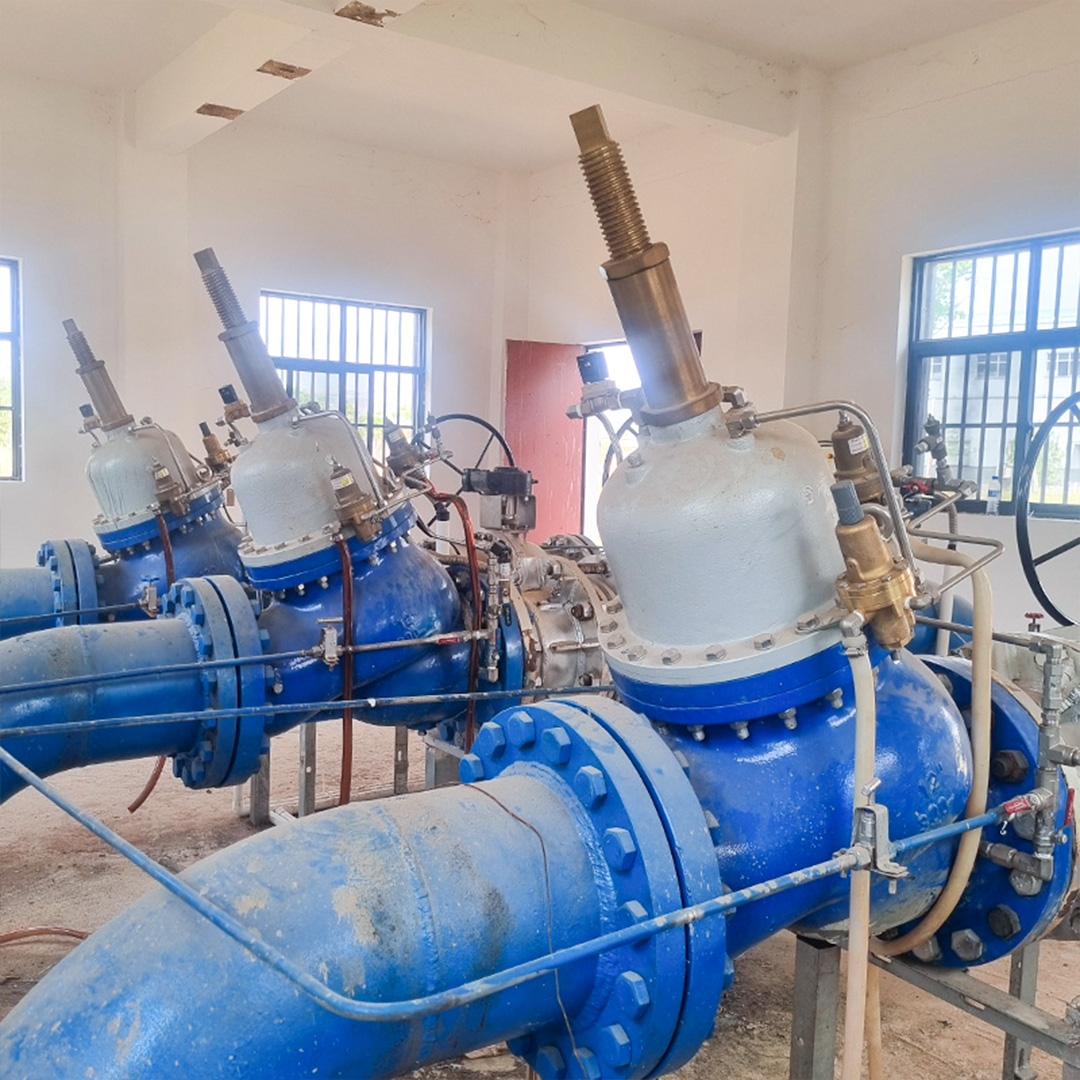
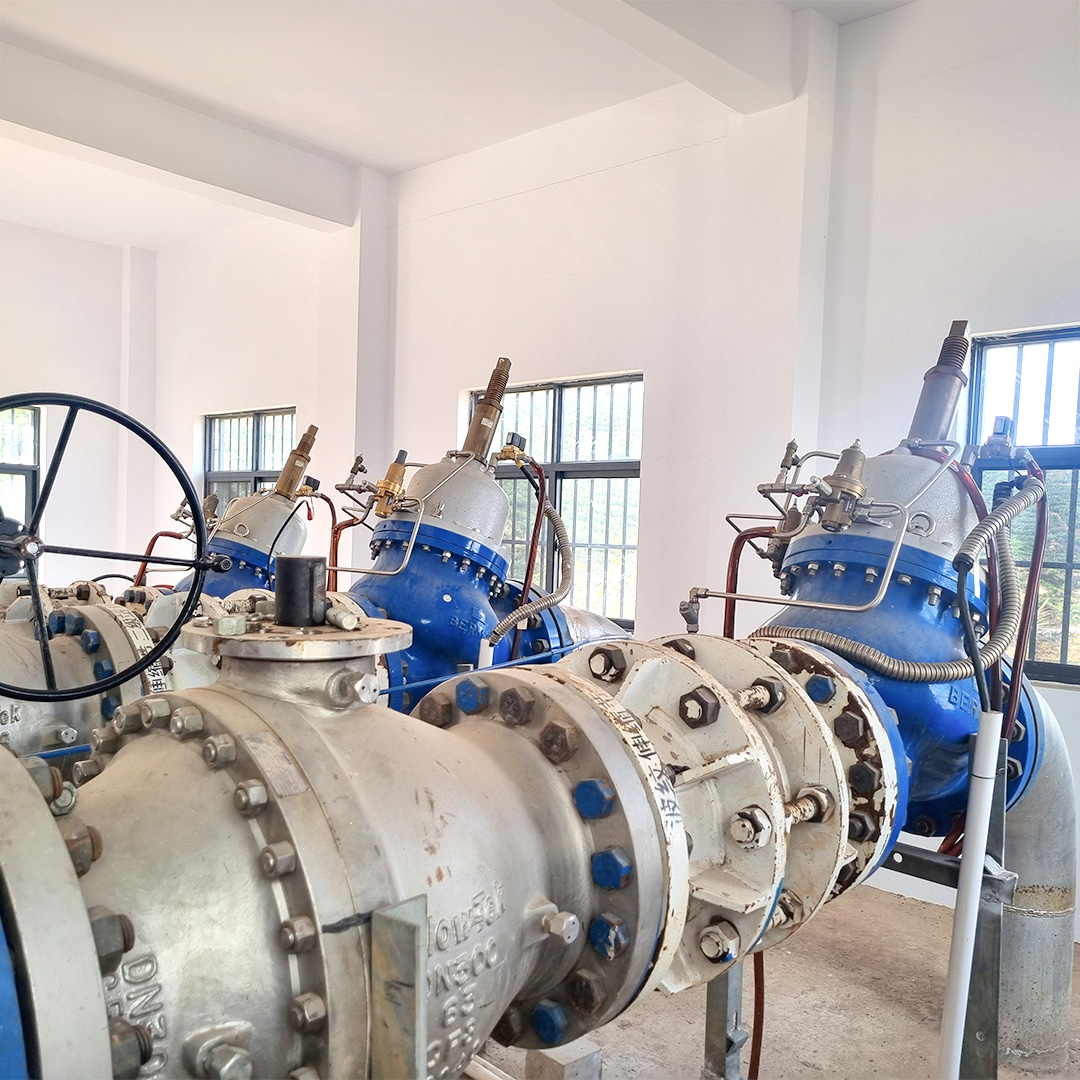
Solusi perlindungan lonjakan mencakup katup antisipasi lonjakan & katup udara kombinasi dengan fitur perlindungan lonjakan.
1. Katup Antisipasi Lonjakan
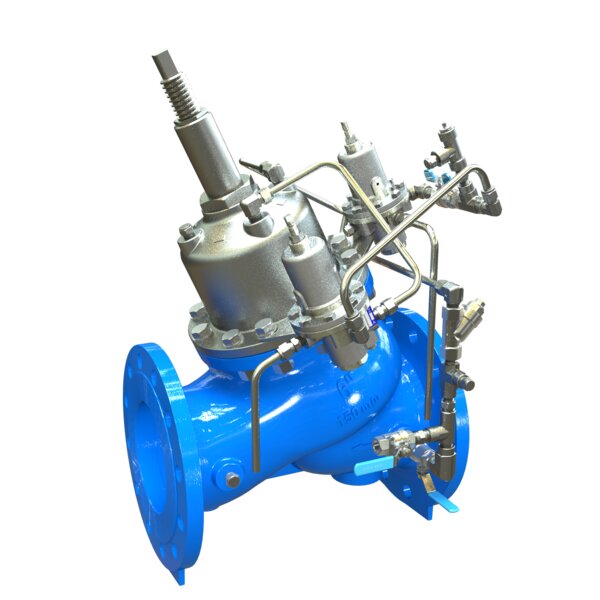
Setiap stasiun pompa dilengkapi dengan tiga katup antisipasi lonjakan yang dioperasikan secara hidraulik dan digerakkan piston, tipe off-line untuk tekanan tinggi (PN40). Katup-katup ini, yang mendeteksi tekanan pada pipa utama, akan terbuka sebagai respons terhadap penurunan tekanan akibat pompa berhenti secara tiba-tiba. Katup yang sudah terbuka sebelumnya ini akan menghilangkan gelombang tekanan tinggi yang kembali, sehingga mengeliminasi lonjakan.
- Stasiun Pompa #1: 3 unit WW-12”-835-M
- Stasiun Pompa #2: 3 unit WW-16”-835-M
- Stasiun Pompa #3: 3 unit WW-16″-835-M
2. Katup Udara Kombinasi
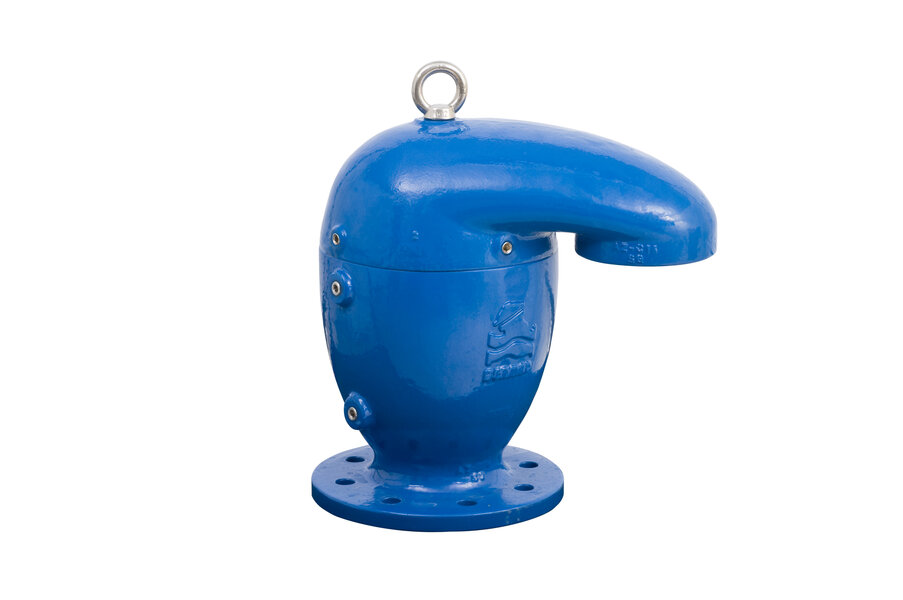
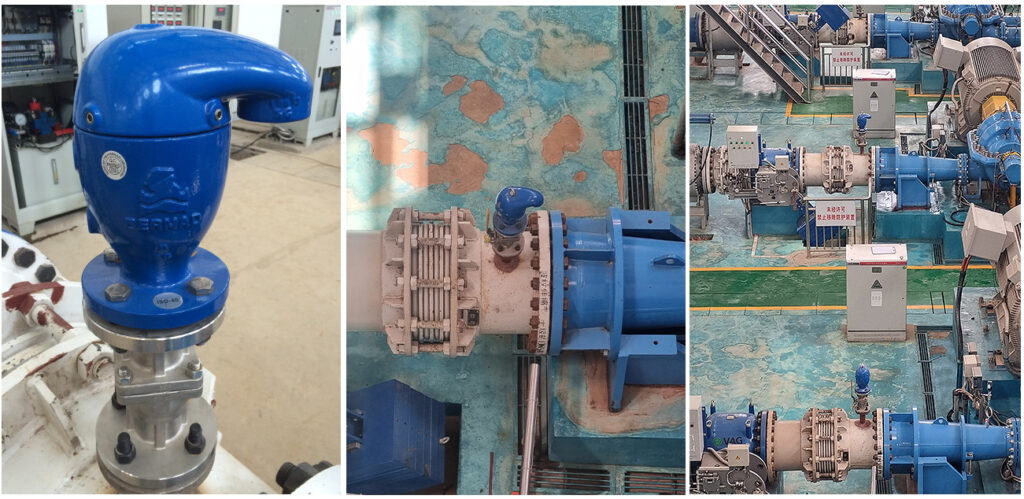
Ditempatkan secara strategis di sepanjang pipa dan di dalam stasiun pompa, katup-katup ini melepaskan udara terjebak saat start-up dan memasukkan udara saat shutdown, mencegah kondisi vakum dan pemisahan kolom air. Dengan menggunakan perangkat lunak BERMAD Air & perangkat lunak analisis lonjakan, para ahli BERMAD menentukan lokasi dan ukuran katup udara yang dibutuhkan di stasiun pompa dan sepanjang pipa utama. Katup udara merupakan bagian penting dari solusi perlindungan lonjakan secara menyeluruh, memungkinkan pemasukan udara yang cukup ke dalam pipa utama, mencegah kondisi vakum dan keruntuhan pipa, mengurangi lonjakan tekanan negatif saat pompa berhenti, serta meredam lonjakan positif dengan memungkinkan pelepasan udara secara terkendali ketika gelombang kembali ke arah stasiun pompa. Katup udara dipasang di setiap stasiun pompa, di titik-titik tinggi, dan di titik-titik kritis sepanjang pipa utama, berdasarkan analisis lonjakan & perangkat lunak BERMAD Air.
Berdasarkan analisis, BERMAD merekomendasikan pemasangan katup udara kombinasi sebagai berikut: pada setiap stasiun pompa, model WW-C70-AC (4”) pada setiap jalur keluaran pompa dan pada setiap pipa utama naik model WW-C70-SP (6″). Pelanggan menerima sebagian besar rekomendasi katup udara dari BERMAD.
MENGAPA BERMAD
Proyek restorasi ekologi 3 danau merupakan contoh sempurna bagaimana solusi kontrol hidrolik BERMAD yang canggih, pintar, dan efisien bertujuan untuk melindungi infrastruktur sistem air yang kritis, bahkan di topografi yang menantang. Dengan memastikan stabilitas dan keandalan sistem, proyek ini tidak hanya menjamin distribusi air, tetapi juga mendukung restorasi ekologi dan keberlanjutan danau ikonik Yunnan. Studi kasus ini menjadi referensi berharga bagi sistem suplai air massal serupa di seluruh dunia, di mana elevasi, jarak, dan isu lingkungan lokal lainnya meningkatkan kebutuhan akan solusi yang efisien, berkelanjutan, dan tangguh seperti yang dirancang dan diimplementasikan BERMAD dalam proyek luar biasa ini.