


Reliable Pressure Regulation for Drip Irrigation with High-Sediment Water

 Irrigation
 2026
 China

Irrigation Infrastructure Using Sediment-Laden River Water
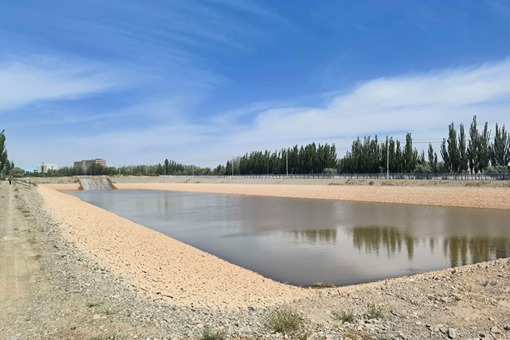
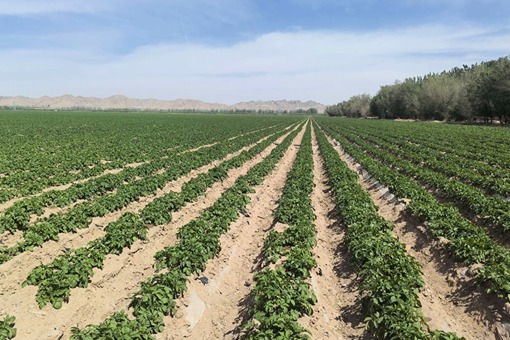
The challenge at Tiaoshan Farm begins at the water source, long before the water reaches a drip emitter. Located in Baiyin, Gansu Province, China, this farm relies on water pumped from the Yellow River for an irrigation project covering 68,000 mu (approx. 4,533 ha). It serves pear orchards, potatoes, onions and other crops.
Sediment content in the river water ranges from 0.5% to over 4%, depending on location and season. Passage through canals, sedimentation basins and filters reduces sediment load, yet fine suspended particles remain in irrigation water.
These conditions require reliable filtration and pressure regulation. Filters need dependable backwashing supported by sufficient pressure, while downstream drip lines require regulated pressure for reliable irrigation over the long term.
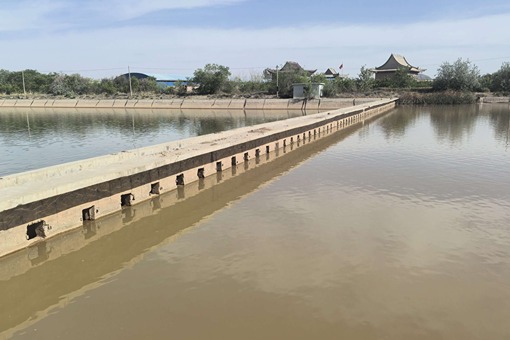
The irrigation infrastructure supplying water to the farm includes 16 reservoirs with a total capacity of 1.3 million m³ and nine pumping stations. The drip irrigation system is in operation since 2001 and was developed between 1997 and 2000 in collaboration with Netafim and provincial agencies. This created an integrated system of water treatment, pumping, and field irrigation.
Managing such a complex network requires coordinated operation and prioritized supply across reservoirs and pumping stations. Hydraulic control functions like level, pressure and flow regulation support this and are included in BERMAD’s solution portfolio.
Maintaining Pressure for Filtration and Irrigation
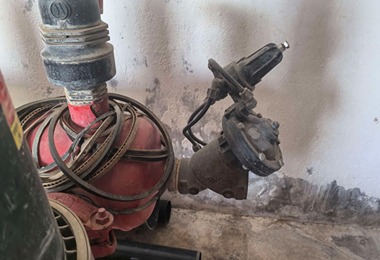
Effective filtration requires more than selecting a filter. The system must provide the pressure needed to clean it. Sediment constantly risks clogging filters and emitters. Automatic disc filter backwashing requires enough pressure to carry out its cleaning cycle. Meanwhile, downstream drip lines require controlled pressure as irrigation demand changes.
The system has two hydraulic requirements: pressure sustaining for filter backwashing while reducing downstream pressure for drip irrigation.
Pump operation and rapid flow changes create additional protection needs, including pressure relief and air control. Operating a large, remote farm means equipment requiring frequent attention increases operational effort. For perennial pear orchards, a long service life is essential.
Coordinating Filtration, Pressure Regulation and Protection
BERMAD pressure regulation supports the farm’s
Micro Irrigation System
system at each stage, sustaining the pressure required for
filtration and regulating the pressure reaching the drip lines.
Supporting Automatic Filter Backwashing
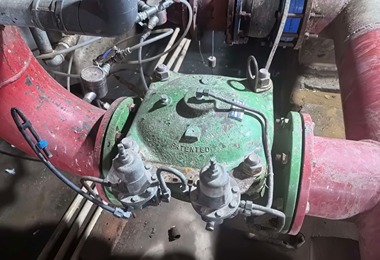
The farm’s irrigation filtration system combines 3-stage filtration, automatic sand removal, automatic disc filter backwashing and manual security screen filters. At the filtration head, 8″ BERMAD 423 Pressure Reducing and Sustaining Valves sustain the upstream pressure required for backwashing while preventing downstream pressure from exceeding its preset maximum. These two functions address separate needs: sufficient pressure for efficient filter cleaning and regulating the pressure for the downstream network.
Protecting System Components from Pressure Shocks
BERMAD 43Q Quick Pressure Relief Valves open to discharge any excessive line pressure whenever the pressure rises above the relief pilot setting. Two-inch combination air valves are provided for optimal air control, dealing with air accumulation and vacuum conditions in the pipeline. Together, these components help provide holistic system protection as well as the pressure regulation required for filtration and irrigation.
Regulating Pressure at the Irrigation Zones
Six-inch BERMAD 100 Series Pressure Reducing Valves regulate pressure supplied to individual irrigation zones under varying flow demand. This extends pressure regulation from the filtration head to the field, supporting the conditions required by the drip lines.
The pear-orchard system uses non-pressure-compensating drip lines, making pressure regulation particularly relevant to their operation.
Built Around Long-Term Irrigation Needs
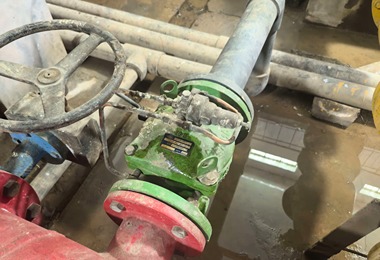
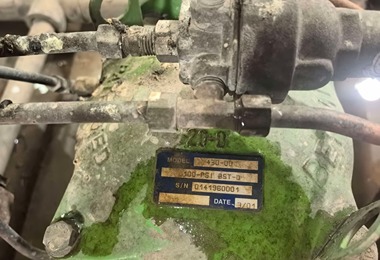
After 25 years of reliable operation, BERMAD 400 Series valves still run smoothly at Tiaoshan Farm. Installed in 2001, they have maintained high performance with no malfunctions or failures, giving operators confidence in routine irrigation.
Their long service history demonstrates the durability of the supplied pressure regulation and protection solution, under demanding sediment-laden water conditions.
Project Outcomes and Irrigation Benefits
This project illustrates the value of integrating filtration, pressure regulation and pipeline protection across irrigation water supply infrastructure and the micro irrigation systems it serves, particularly where irrigation water has high sediment content.
Figures supplied for the project indicate water savings of 30%–50% compared with traditional flood irrigation, fertilizer savings of 20%–30%, substantially improved fertilizer-use efficiency through fertigation compared with broadcast application, and substantial labor savings. A gross profit of approx. RMB 2,000 per mu per growing season was also reported.
*These figures were supplied for the project and have not been independently verified. They describe the combined irrigation and farming operation, rather than benefits attributable to BERMAD solutions alone.
Main Benefits
Reliable Pressure Regulation and System Protection for Long-Term, Efficient Drip Irrigation.

-
 Efficient & Safe Irrigation Infrastructure
-
Stable Irrigation Pressure
-
Supported Filter Backwashing
-
System Protection
-
Air and Vacuum Protection
-
Long-Term Field Operation
Products in Use
Explore our catalog of advanced water control products, designed to meet real-world demands
and deliver lasting performance.


