Micro irrigation projects are becoming more diverse, demanding and critical to sustainable agriculture worldwide. Rising energy costs, water quality challenges, pressure management, filtration requirements, and the need for smarter field control require a more advanced system approach.
In our recent webinar we explored worldwide solutions for micro irrigation, from the main irrigation head to pressure zone control and field control. This session combined professional insights, practical design considerations, and real project examples. It showed how BERMAD solutions improve efficiency, protect irrigation infrastructure, support precise flow and pressure management, and enable smarter field operations.
Topics discussed:
Pressure and flow regulation across the irrigation network
Air control for stable and efficient system performance
Protection against pressure surges, water hammer and other hydraulic events
Flow metering and monitoring for improved operation and system optimization
Remote control and real-time visibility for faster response in the field
Design considerations for complex projects, including water quality, topography and long-distance water supply
Did you miss the webinar? Watch the recording to stay up-to-date
During the webinar questions were raised. Here are the issues we addressed:
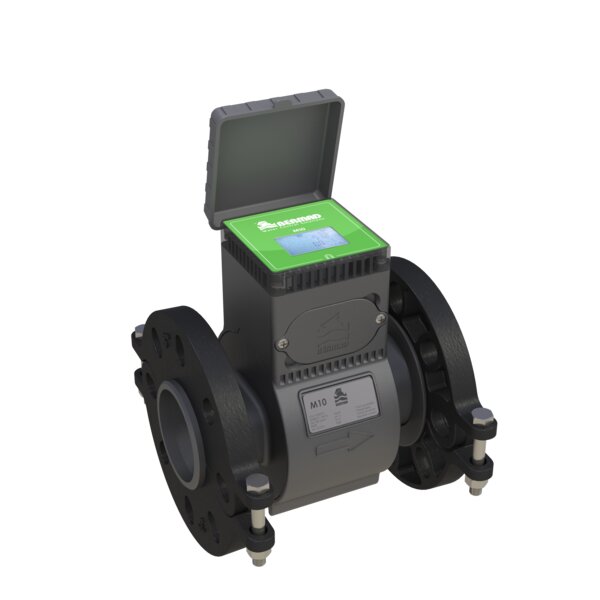
Electromagnetic flow meters can be powered by connection to the electrical grid or solar energy systems. Some models operate on internal batteries without an external power source. In battery-powered setups, batteries usually need replacement only after a long service period, up to 8 years of operation. One of the key advantages of BERMAD water meters is their simple, convenient battery replacement process that minimizes field maintenance.
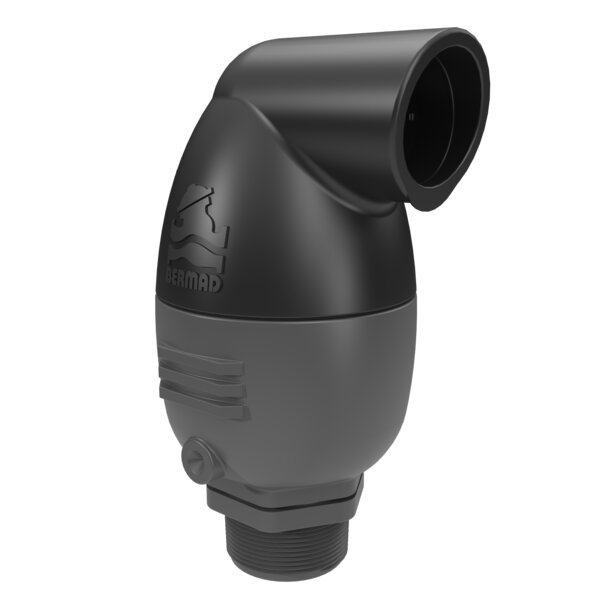
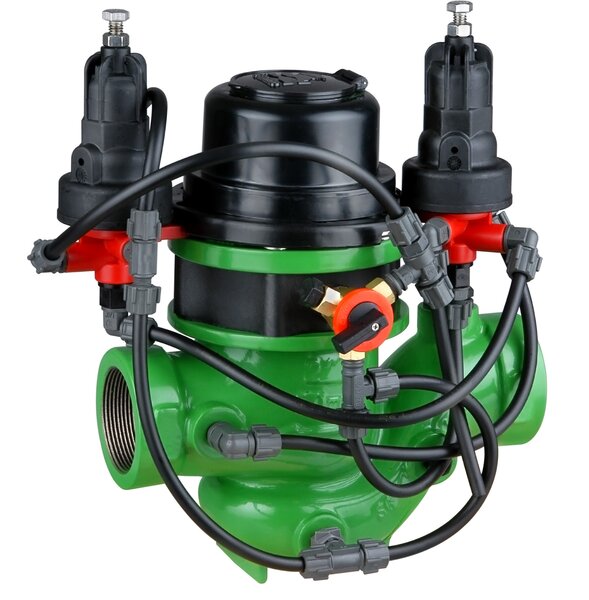
A definitive recommendation should be based on a detailed review of the irrigation system design and hydraulic conditions of the specific project. As a general guideline, install air valves on both sides of a Pressure Reducing Valve. Install a combination air valve upstream to manage air accumulation within the pipeline. A kinetic air valve downstream helps prevent vacuum conditions and protects the system from dirt entering the drip lines.
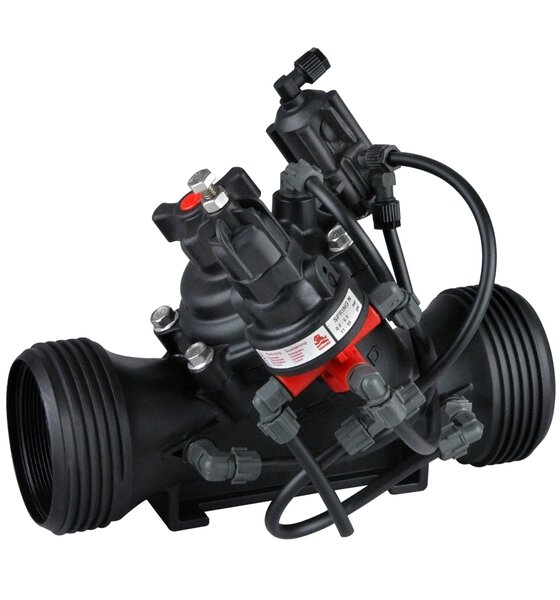
2‑way pilots are used in 2‑way control loops, while 3‑way pilots are used in 3‑way control loops. In irrigation, 3‑way pilots are generally preferred due to their higher tolerance to poor water quality. They allow the valve to stay fully open when regulation is not required and are less sensitive to fluctuations, which results in more stable operation. In contrast, 2‑way pilots provide higher sensitivity and better control accuracy, offering finer and more progressive regulation. However, they require better water quality and are more sensitive to system variations.
In systems where irrigation water contains fertilizers, polymeric valve materials are strongly recommended due to their high resistance to chemical corrosion. BERMAD 100 Series valves are particularly well suited for such applications, offering reliable performance and durability in chemically aggressive environments.
In addition, BERMAD electromagnetic water meters feature a protective internal lining that ensures accurate, long-term operation, even in corrosive conditions.
BERMAD’s 900 Series integrates a control valve and a water meter into a single, compact unit. The primary benefit of this design is significant space savings. It is ideal for installations with limited space, such as irrigation system heads in control cabinets. The 900 Series water meter features a D0–U0 installation class, allowing flexible installation in almost any configuration without long straight pipe runs. This simplifies system design and reduces installation constraints.