

วิธีลดน้ำสูญเสียที่ไม่ก่อให้เกิดรายได้ – กรณีศึกษาการประปา Lake Como

 ประปา
ประปา 2026
2026 อิตาลี
 NRW: ปลดล็อกศักยภาพที่ซ่อนอยู่

มาตรฐานพื้นฐานสำหรับการควบคุมแรงดันเครือข่ายที่เชื่อถือได้
การปรับแรงดันน้ำให้เหมาะสมกับรูปแบบการใช้น้ำเป็นสิ่งสำคัญในการลดปริมาณน้ำที่ไม่ได้คิดค่าใช้จ่ายกับผู้ใช้งานปลายทาง ซึ่งมักเรียกกันว่า น้ำสูญเสีย (Non-Revenue Water: NRW) การลด “การสูญเสียน้ำ” เหล่านี้ถือเป็นปัจจัยสำคัญต่อความยั่งยืน โดยเฉพาะในยุคที่ปัญหาการขาดแคลนน้ำทวีความรุนแรงขึ้นและภัยแล้งระยะยาวเกิดขึ้นบ่อยครั้ง
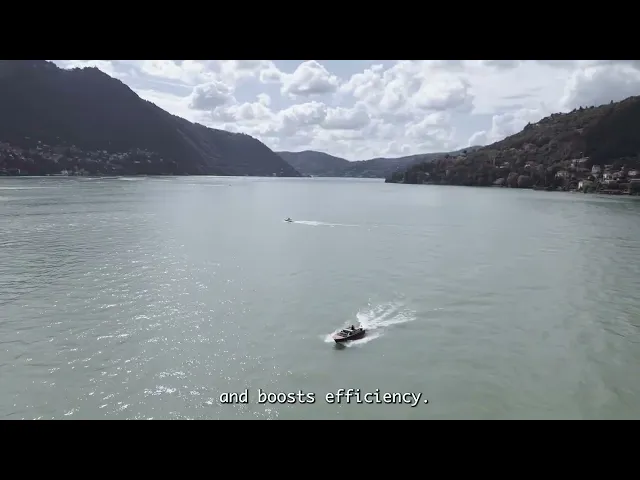
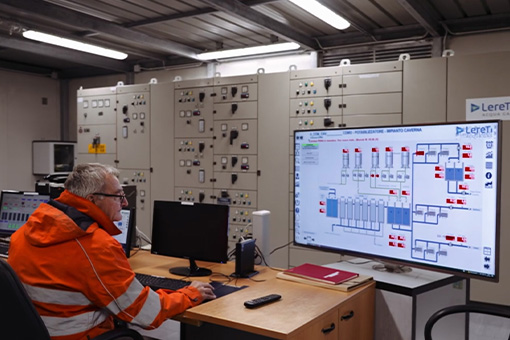
Lereti S.p.A. ซึ่งเป็นหน่วยงานประปาที่ให้บริการในเมืองโคโม แคว้นลอมบาร์เดีย ทางตอนเหนือของอิตาลี ทำการสูบน้ำจากทะเลสาบโคโม ส่งไปยังโรงงานผลิตน้ำประปา และทำให้น้ำสะอาดพร้อมดื่มโดยใช้กระบวนการบำบัดด้วยก๊าซโอโซนหลายขั้นตอน เมื่อน้ำผ่านการบำบัดแล้ว จะถูกแจกจ่ายผ่านเครือข่ายท่อส่งน้ำยาวประมาณ 350 กิโลเมตร
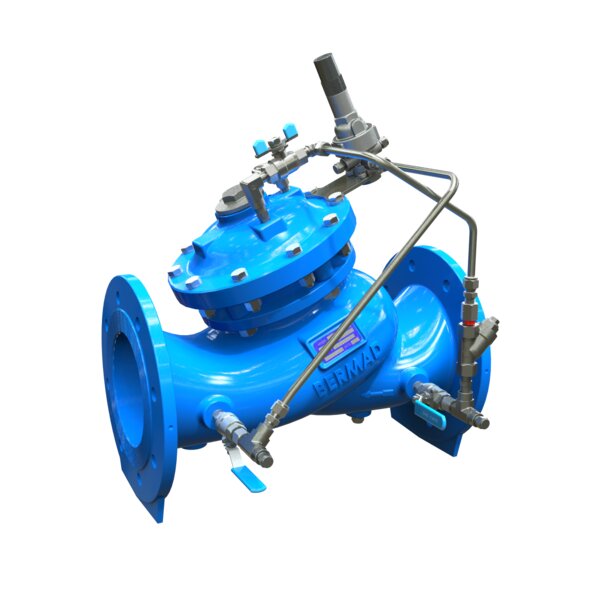
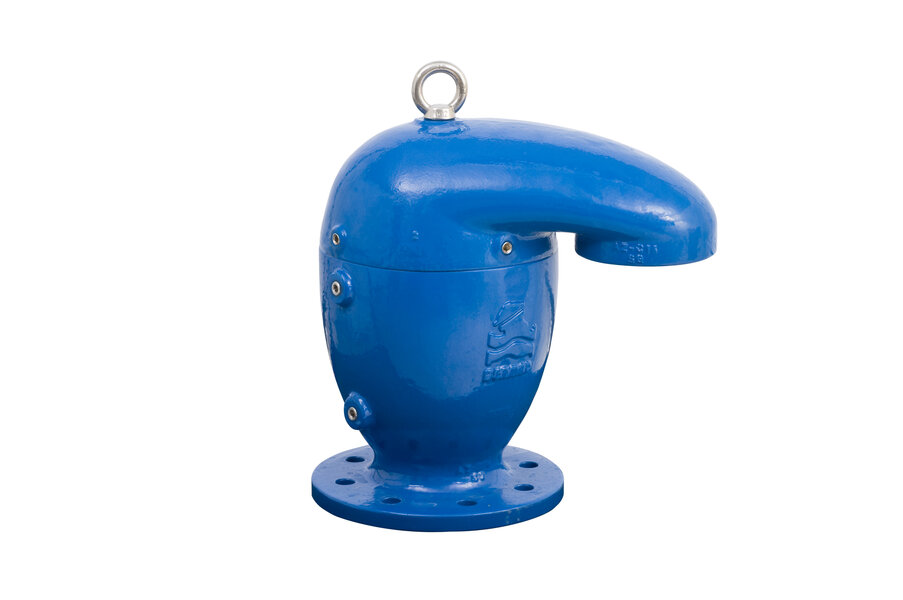
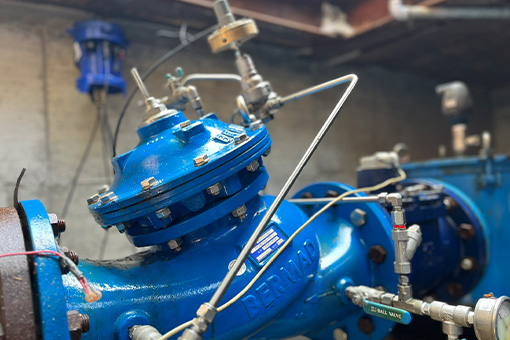
เป็นเวลากว่า 15 ปีที่ Lereti ได้ติดตั้ง วาล์วลดแรงดัน BERMAD 720 ในพื้นที่ให้บริการทั้ง 41 เขต พร้อมกับ วาล์วอากาศ C30 และ C70 การติดตั้งเหล่านี้มีบทบาทสำคัญในการบริหารจัดการแรงดันน้ำให้มีความเสถียรและเชื่อถือได้ตลอดทั้งเครือข่าย
การจัดการรูปแบบแรงดันเครือข่ายที่เปลี่ยนแปลง
โดยทั่วไปแล้ว หนึ่งในวิธีแก้ปัญหาที่หน่วยงานประปานิยมใช้มากที่สุดในการปรับแรงดันน้ำให้สอดคล้องกับแนวโน้มการใช้น้ำในแต่ละวัน คือวาล์วลดแรงดันแบบสองไพล็อต หรือที่รู้จักกันในชื่อ “วาล์วกลางวันและกลางคืน” การตั้งค่านี้ ซึ่งมีตัวอย่างเช่น BERMAD 720-45 ช่วยให้เครือข่ายสามารถทำงานที่แรงดันสูงในช่วงที่มีความต้องการน้ำมากในเวลากลางวัน (ไพล็อต 1) และเปลี่ยนไปใช้แรงดันต่ำในเวลากลางคืน (ไพล็อต 2) ผ่านการสั่งงานด้วยโซลินอยด์
แม้ว่าวิธีนี้จะพิสูจน์แล้วว่าง่ายและมีประสิทธิภาพในการเพิ่มประสิทธิภาพของเครือข่าย แต่รูปแบบการใช้น้ำที่เปลี่ยนแปลงไปและความต้องการควบคุมแรงดันที่แม่นยำยิ่งขึ้น ได้ผลักดันให้หน่วยงานประปามองหากลยุทธ์การปรับแรงดันที่ล้ำหน้าและยืดหยุ่นมากขึ้น Lereti ได้ระบุถึงความจำเป็นในการก้าวข้ามการตั้งค่าจุดแรงดันคงที่ และปรับแรงดันขาออกให้เหมาะสมกับความต้องการใช้น้ำที่เปลี่ยนแปลงจริงในแต่ละพื้นที่และแต่ละช่วงเวลา
การควบคุมการปรับระดับแบบเต็มรูปแบบโดยอิงข้อมูลเครือข่ายแบบเรียลไทม์
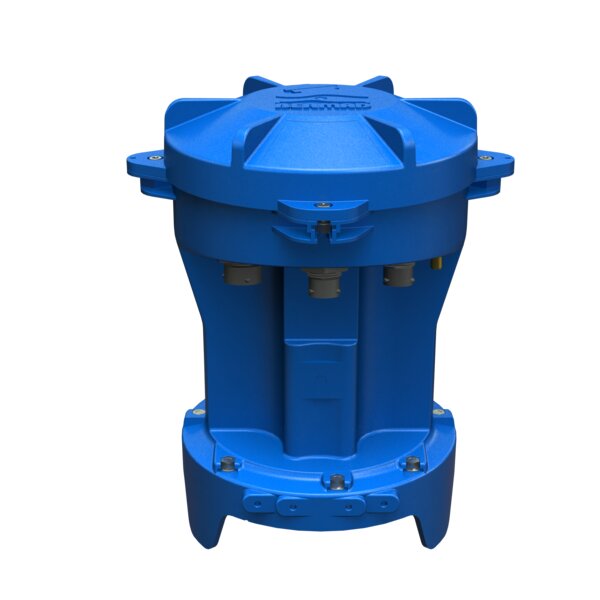
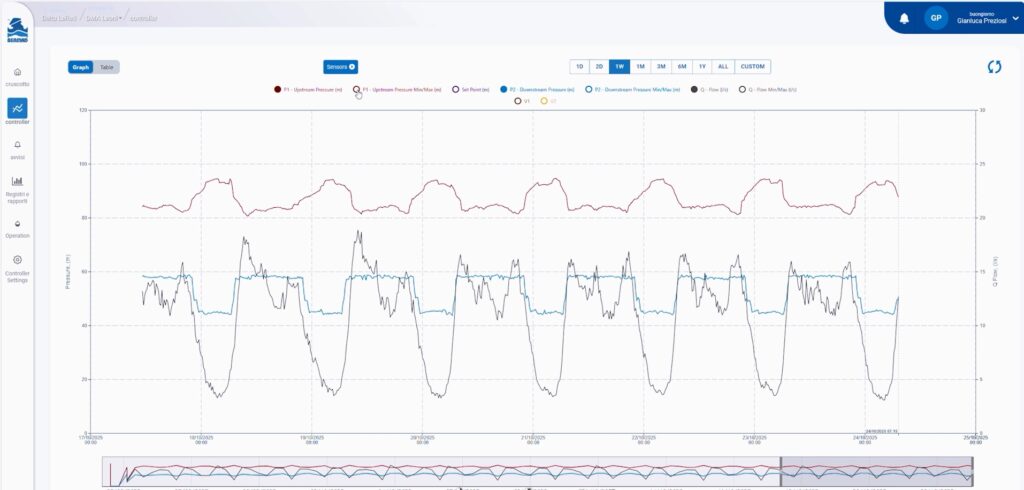
เพื่อก้าวไปสู่แนวทางการบริหารจัดการแรงดันที่ล้ำหน้าและมีความยืดหยุ่นมากขึ้น Lereti ได้เชื่อมต่อวาล์วลดแรงดันที่เลือกไว้ ซึ่งก่อนหน้านี้ทำงานด้วยจุดตั้งค่าแรงดันเดียว เข้ากับDELTA Full Modulation Controller โดยคอนโทรลเลอร์นี้จะอ่านค่าแรงดันขาเข้า (P1) และขาออก (P2) อย่างต่อเนื่อง รวมถึงข้อมูลจากเครื่องวัดการไหล และส่งข้อมูลนี้ไปยังแพลตฟอร์ม BERMAD Cloud
จากการวิเคราะห์รูปแบบการใช้น้ำอย่างละเอียดที่ได้จากข้อมูลเครื่องวัดการไหล Lereti ได้กำหนดช่วงแรงดันหลายช่วงตลอดทั้งวันสำหรับแต่ละเขตพื้นที่ โดยขึ้นอยู่กับแต่ละโซน จะมีการกำหนดช่วงเวลา 2 ถึง 4 ช่วง และตั้งโปรแกรมจากระยะไกลผ่านแพลตฟอร์ม DELTA Cloud ตามที่แสดงในกราฟที่ 1 แรงดันขาออก (P2) จะติดตามจุดตั้งค่าที่ตั้งโปรแกรมไว้ (เส้นสีม่วง) อย่างใกล้ชิด แสดงให้เห็นถึงความแม่นยำสูงที่คอนโทรลเลอร์สามารถทำได้
ในการตั้งค่าปัจจุบัน คอนโทรลเลอร์จะทำงานอย่างเรียบง่ายและแข็งแรง โดยอ้างอิงจุดตั้งค่าแรงดันขาออกตามช่วงเวลาที่กำหนดไว้ล่วงหน้าโดยผู้ใช้งาน จากการศึกษาการใช้น้ำในแต่ละโซน ขณะเดียวกัน DELTA Controller ยังมีความยืดหยุ่นในการทำงานแบบอัตโนมัติ โดยสามารถกำหนดจุดตั้งค่าแรงดันขาออกตามอัตราการไหลที่เปลี่ยนแปลงได้ ทำให้สามารถปรับแรงดันได้อย่างมีประสิทธิภาพตลอดทั้งวัน
DELTA Controller เป็นอุปกรณ์อัตโนมัติเต็มรูปแบบและใช้พลังงานจากแบตเตอรี่ อายุการใช้งานขึ้นอยู่กับความถี่ในการสื่อสารกับ Cloud จึงจำเป็นต้องประเมินแต่ละการใช้งานเป็นรายกรณีในระหว่างการออกแบบระบบ
ความพึงพอใจของลูกค้ายังคงเป็นคุณค่าหลักของ BERMAD ในโครงการนี้ Maurizio Facchini ผู้จัดการฝ่ายโรงงานเครื่องกลของ Lereti กล่าวว่า:
“ความร่วมมือกับ BERMAD ได้พัฒนาไปไกลกว่าด้านการค้า สู่ความร่วมมือทางเทคนิคในการออกแบบและติดตั้งระบบ ทำให้เราสามารถบรรลุผลลัพธ์ที่ยอดเยี่ยมและได้มาตรฐาน Class A สำหรับเครือข่ายของเรา”
ประสิทธิภาพนี้เป็นผลมาจากทั้งโซลูชันทางเทคนิคและการสนับสนุนอย่างต่อเนื่องของ BERMAD ตั้งแต่การเลือกโซลูชันไปจนถึงการติดตั้งและการติดตามหลังการใช้งาน ความน่าเชื่อถือของผลิตภัณฑ์ยังเป็นปัจจัยสำคัญอีกประการหนึ่ง ดังที่ Facchini เน้นย้ำว่า:
“ความเป็นพันธมิตรระยะยาวกับ BERMAD ช่วยให้มั่นใจในความปลอดภัยในการปฏิบัติงานและการบำรุงรักษา ด้วยความน่าเชื่อถือของผลิตภัณฑ์”
ทั้งนี้ วาล์ว BERMAD ซีรีส์ 700 ที่ติดตั้งในเมืองโคโมเป็นที่รู้จักในด้านความทนทาน สามารถใช้งานได้นานกว่า 30 ปีโดยแทบไม่ต้องบำรุงรักษา
สำรวจเรื่องราวฉบับเต็มและชมวิธีแก้ปัญหาที่นำไปใช้จริงได้ในวิดีโอกรณีศึกษาฉบับสมบูรณ์ด้านล่างนี้