



BERMAD cung cấp tất cả các van điều khiển thủy lực cho Tháp Azrieli Sarona tại Tel Aviv, Israel
Bạn đã cập nhật BERMAD Connect chưa? Kiểm tra ngay
Bạn đã cập nhật BERMAD Connect chưa? Kiểm tra ngay


Khi nhu cầu sống đô thị trong cuộc sống hiện đại ngày càng tăng, chúng ta đã chứng kiến sự gia tăng số lượng các tòa nhà trên khắp các thành phố trên thế giới, đặc biệt là các tòa nhà chọc trời dường như thách thức các quy luật của trọng lực!
Để đạt được những mục tiêu cao vút này, chúng ta cần xem xét những thách thức kỹ thuật cần thiết để cung cấp nguồn nước ổn định, êm ái và không bị gián đoạn trong toàn bộ tòa nhà.
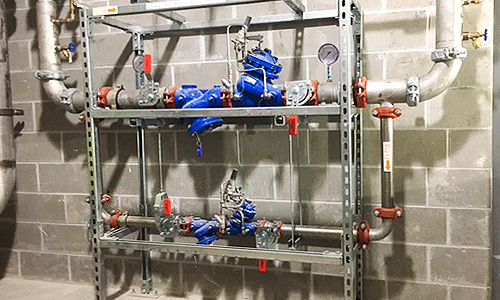
Trong một tòa nhà điển hình, hệ thống cấp nước sinh hoạt được chia thành các vùng áp lực. Mỗi vùng bao gồm một số tầng và một Trạm Giảm Áp. Trạm Giảm Áp được thiết kế để giảm áp lực nước cấp đầu vào cao xuống áp lực nước cấp đầu ra thấp hơn, một cách nhất quán trên tất cả các tầng trong vùng đó.
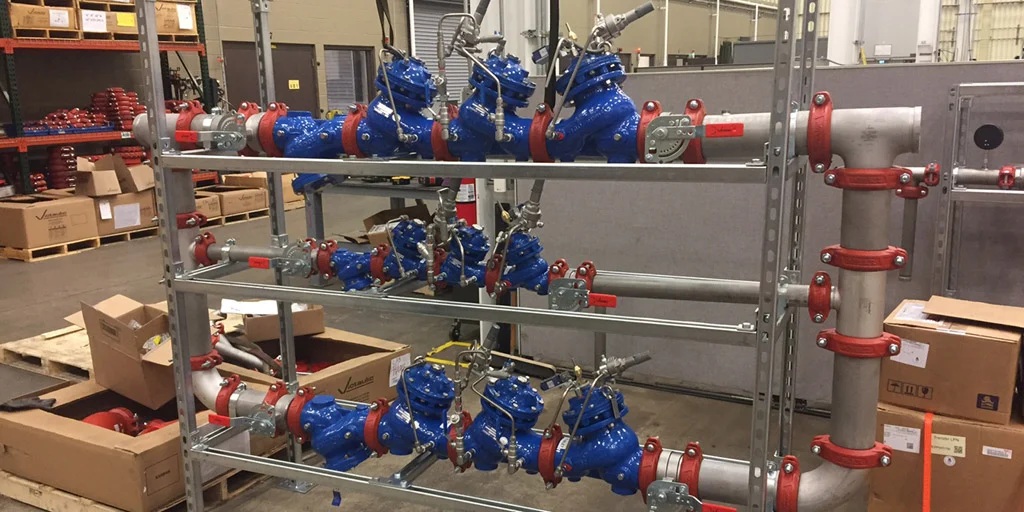
Các trạm giảm áp thường bao gồm hai van giảm áp PRV (Van Giảm Áp), một van hoạt động và van còn lại dự phòng ở chế độ chờ. Trong trường hợp hỏng hóc hoặc bảo trì, van PRV thứ hai sẽ được sử dụng để đảm bảo nguồn cấp nước không bị gián đoạn cho người tiêu dùng.
Trong một tòa nhà có nhiều cư dân, lưu lượng nước có thể biến động rất lớn, và Trạm Giảm Áp phải có khả năng xử lý hiệu quả điều này.
Hãy cùng xem xét hai kịch bản điển hình:
Trong kịch bản đầu tiên, một cư dân trong một căn hộ của tòa nhà chung cư cao tầng thức dậy giữa đêm để đi vệ sinh. Việc xả nước từ từ vào bồn cầu là một nhu cầu rất thấp đối với một trạm giảm áp có van lớn được thiết kế để xử lý lưu lượng cao hơn nhiều. Điều này có thể gây ra mức độ hao mòn quá mức không thể chấp nhận được, tiếng ồn và khả năng hư hỏng do xâm thực trên van lớn.
Trong kịch bản thứ hai, vào giờ ăn trưa và giờ tan tầm tại một tòa nhà thương mại, việc sử dụng nước trong nhà vệ sinh sẽ ở mức nhu cầu cao do rửa tay và xả bồn cầu. Do đó, van PRV chính sẽ hoạt động gần như hết công suất.
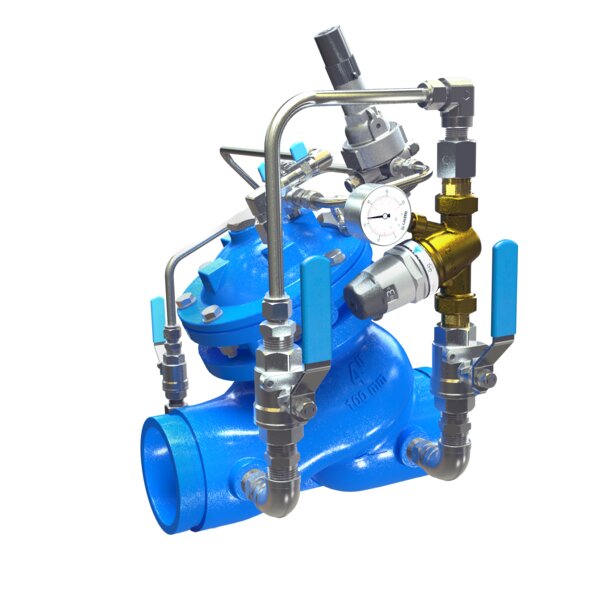
Để giúp Trạm Giảm Áp xử lý được những chênh lệch lưu lượng cực đoan này, chúng tôi khuyến nghị lắp đặtModel 720-2B của BERMAD.
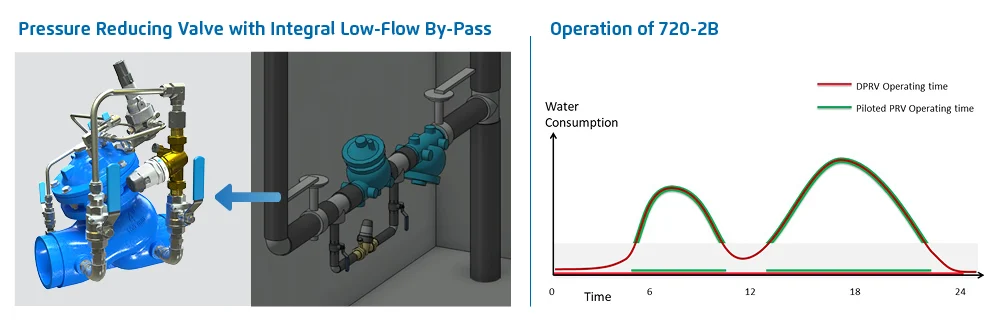
Van này có một Van Giảm Áp Bypass tác động trực tiếp cỡ nhỏ được tích hợp trong bộ điều khiển, đảm nhận việc điều tiết áp lực từ van lớn khi lưu lượng trở nên cực thấp. Van hoạt động êm ái, hiệu quả và với độ mài mòn cùng ứng suất tối thiểu trên trạm giảm áp.
Khi sở hữu van PRV bypass lưu lượng thấp như Model 720-2B của BERMAD sẽ kéo dài tuổi thọ của trạm, giảm thiểu thời gian ngừng hoạt động và bảo trì. Đây là một khoản đầu tư tốt với lợi ích lâu dài cho cư dân và ban quản lý tòa nhà.


Chúng tôi đã nhận được email của bạn. Bây giờ, hãy cá nhân hóa trải nghiệm...