


Water Pressure in High-Rise Buildings: Why Cascade PRV Systems Fail and a Better Alternative
Water distribution in high-rise buildings presents a unique hydraulic challenge:…
Did You Update BERMAD Connect Already? Check It Out
Update BERMAD Connect Today! Check It Out




Water leakage has challenged the UK water sector for decades. What is changing is the scale of expectations and the technologies available to meet them. Across the UK, water companies must protect resources, improve resilience and get more from networks by combining modern assets with infrastructure installed generations ago. Smart metering, monitoring and system digitalization now provide greater visibility into network behaviour.
The opportunity is no longer only to find and repair leaks. It is also to continuously manage the conditions that influence leakage, with pressure being one of the most important. In UK regulatory terminology, leakage is a specific performance measure. The wider international term Non-Revenue Water, or NRW, can also include unbilled consumption and metering or billing inaccuracies. Leakage therefore remains the main focus of the UK discussion around physical water loss.
The scale and age of the UK network make leakage particularly complex.

England and Wales alone have around 425,000 km of water mains. Much of this infrastructure is modern, but significant sections are far older. In London, parts of the network date back to the early 19th century, and Victorian cast-iron mains are still being replaced after more than a century of service. Aging pipework, ground conditions, extreme weather, population growth and shifting demand all affect network performance.
Renewal is essential but cannot happen overnight. Utilities must combine targeted mains replacement and leak repair with better management of existing assets. The question is not only how to build a newer network but how to make the existing one perform better while renewal continues.
Leakage is now tied to water security, environmental protection, climate resilience and regulatory performance.
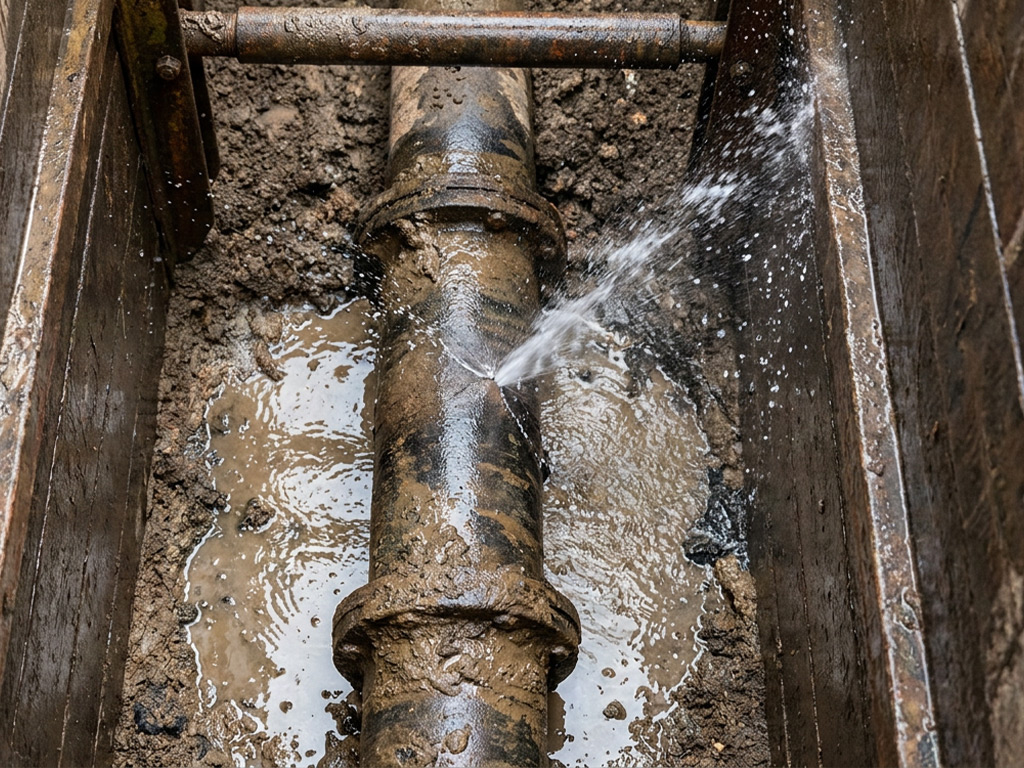
In 2024–25, reported leakage in England and Wales was about 2,869 million litres per day. Despite substantial long-term improvement, Ofwat estimates that close to a fifth of water entering the network is still lost through leakage. For 2025–30, Ofwat has set targets for a 17% reduction. Water companies have also committed to halving leakage from the 2017–18 baseline by 2050. Pressure management, leak repair, mains replacement and wider use of smart, more accurate metering all form part of that effort.
Similar priorities can be seen elsewhere in the UK. Scottish Water continues to pursue reductions through pressure management, network optimization and smart monitoring, while Northern Ireland Water is expanding telemetry, digital tools and real-time pressure control. Repairing bursts and replacing deteriorated mains remain essential. Utilities also need to reduce water loss between these interventions, every hour the network operates.

The UK water sector is rapidly improving its ability to see what is happening underground.
Smart meters, acoustic technologies, flow monitoring, DMAs, satellite detection and analytics make it easier to identify abnormal consumption, localize leakage and prioritize intervention. Finding a leak is only part of the picture. Once a leak exists, the amount of water escaping is influenced by network pressure. Pressure also affects the mechanical loading on pipes, joints and other aging assets.
A distribution network must provide adequate service, including at critical or hydraulically disadvantaged points. Reducing pressure too far risks compromising service. Maintaining more pressure than required can increase leakage and stress infrastructure. The objective is not simply to reduce pressure but to provide what the network needs, where and when it needs it without unnecessary excess.
Pressure management is not new to the UK. Advanced network management has been part of the sector for years, and utilities assess new solutions against deep hydraulic and operational expertise. What is changing is the amount of information available and how fast the network can respond.
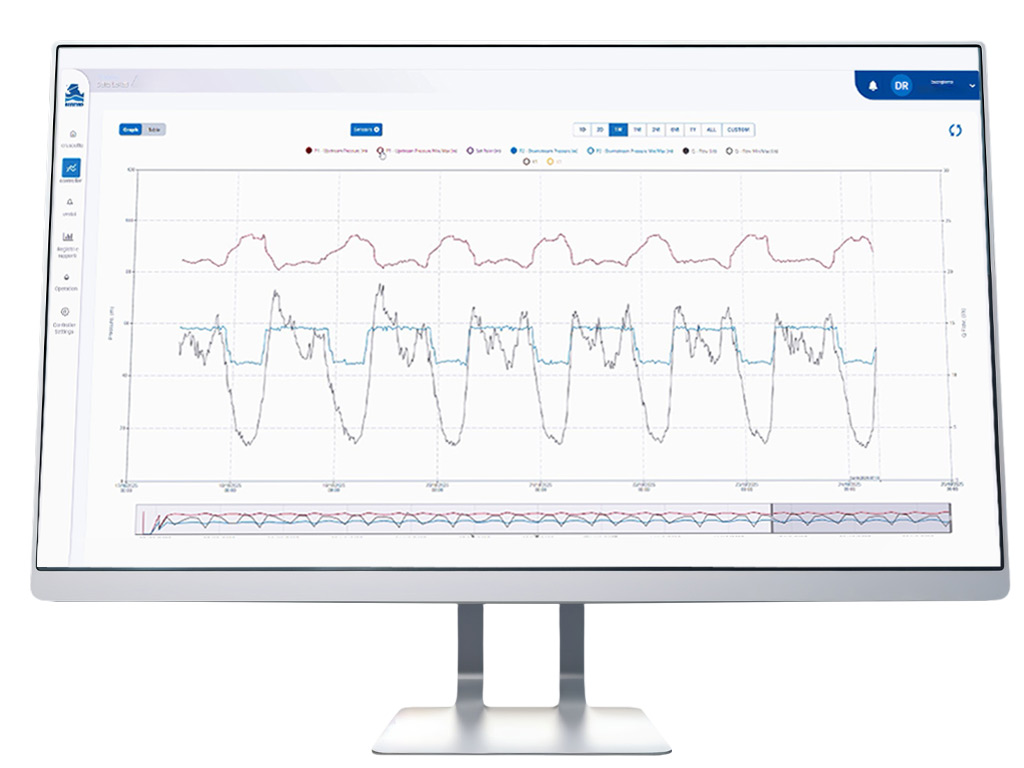
Dynamic Pressure Management continuously adjusts pressure setpoints according to flow, demand, critical-point pressure and changing operational requirements. During lower demand, pressure can be reduced while maintaining service. When demand rises, it can be restored to meet network requirements. This marks a shift from basic pressure reduction to continuous pressure optimization for leakage control.
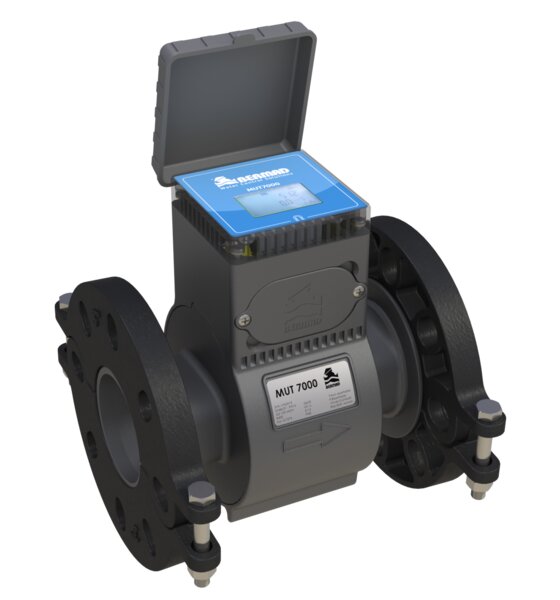
Reliable flow measurement is critical. Electromagnetic flow meters provide continuous data from DMAs and key locations, helping utilities understand consumption patterns, assess night flows and identify abnormal behaviour indicating leakage. Historical data can establish benchmarks, compare different DMAs and show how pressure-management changes affect performance over time. Operators can therefore base decisions on measured network behaviour and verify whether adjustments deliver the intended result.
For applications of this kind, the MUT7000 electromagnetic flow meter can be fully integrated into such a solution, delivering high measurement accuracy across a wide flow range, particularly at the very low flow rates encountered during night-flow monitoring and leakage assessment.
As utilities gain access to more data, the next challenge is turning visibility into action.
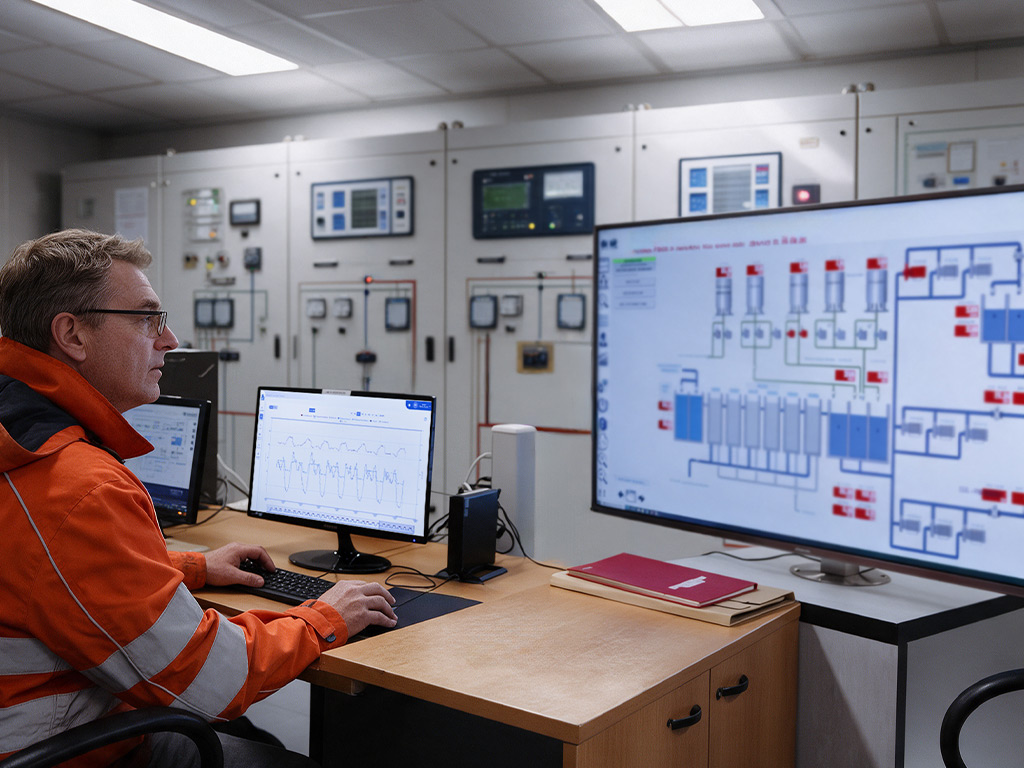
Connected field controllers link network information with hydraulic operation. They can regulate pressure-reducing valves, collect pressure and flow data, support remote setpoint changes and provide alerts without the need for site visits. For utilities managing several pressure zones, this creates a more centralized and responsive way to oversee performance.
Cloud-based platforms allow operators to visualize pressure, flow and operational data from multiple sites, compare DMA performance, evaluate pressure profiles and identify abnormal behaviour in one environment. The objective is not simply to collect more data, but to close the operational loop: measure what is happening, analyse what the network requires, adjust pressure accordingly and verify the result.
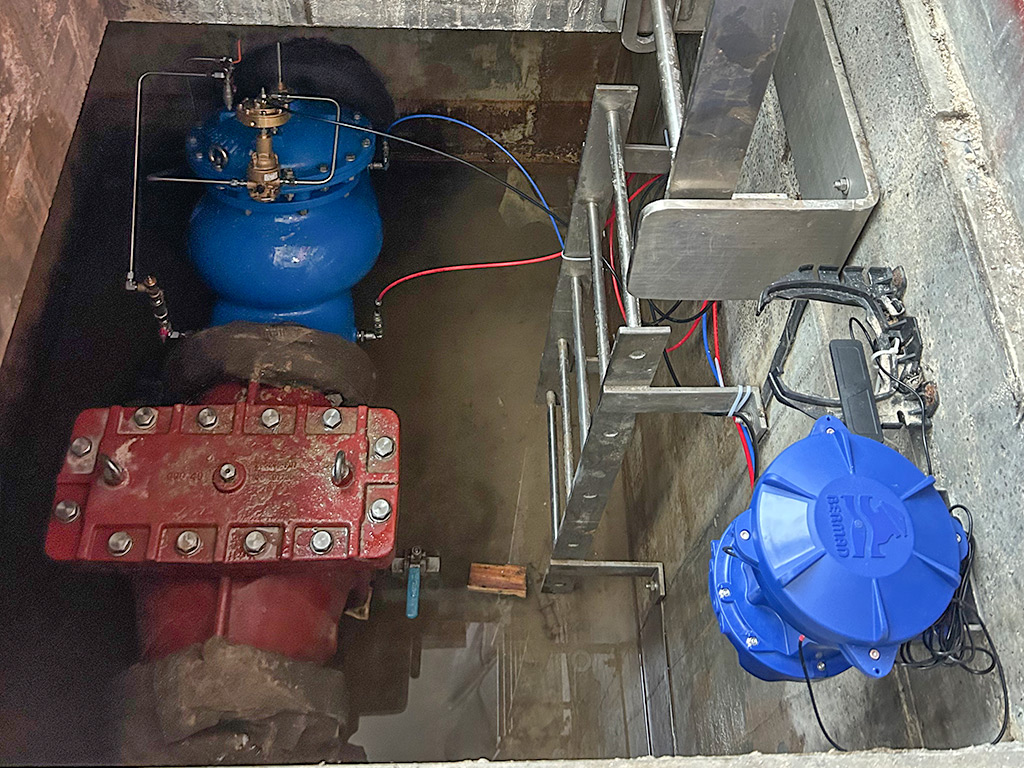
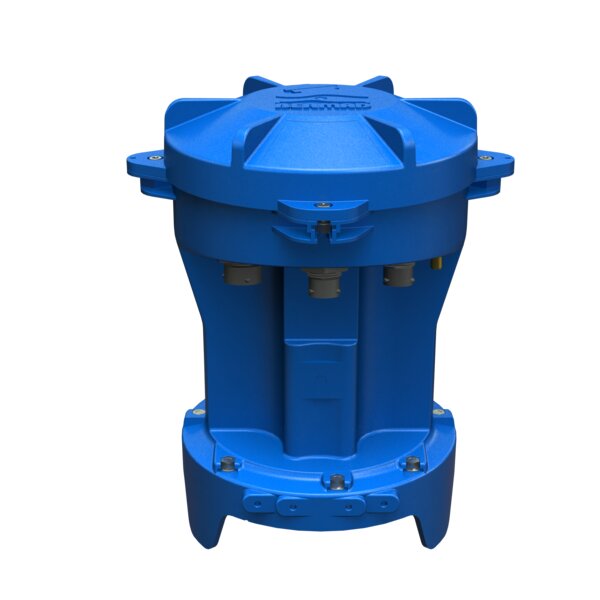
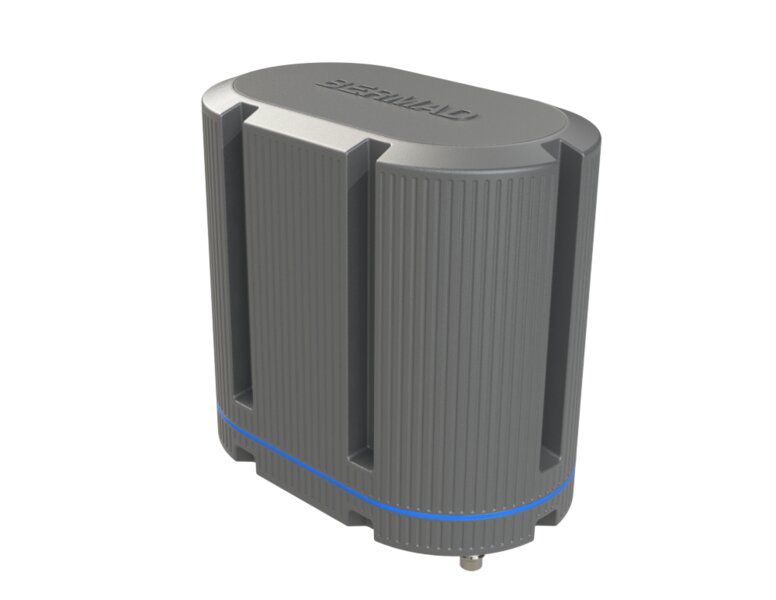
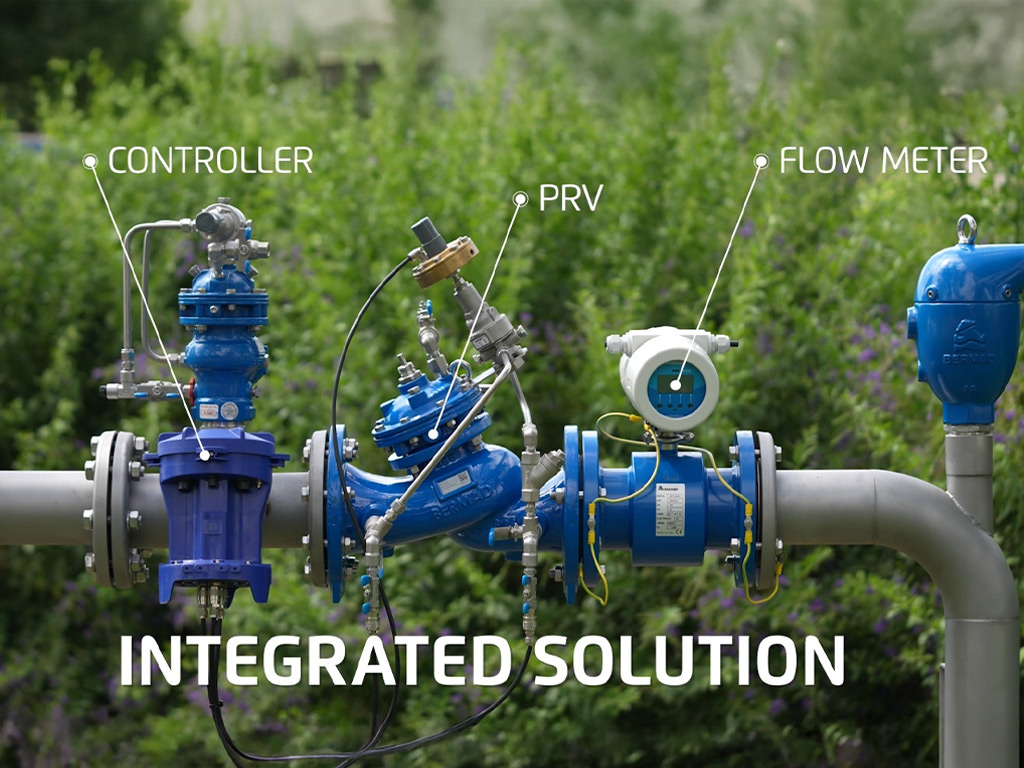
BERMAD’s approach connects these physical and digital layers through hydraulic control valves, accurate flow measurement, DELTA dynamic pressure controllers, EPSILON data logging and connectivity, and BERMAD Cloud monitoring capabilities. The controller responds to changing conditions, the valve translates decisions into physical pressure changes, and the monitoring layer confirms how the network responds.
Effective Dynamic Pressure Management is not built solely around individual products. Beyond the measurement, monitoring and control components discussed above, hydraulic control valves and air valves continue to play an essential role in network operation, performance and protection. Together, these components function as an integrated system, making it a complete pressure-management solution. A comprehensive approach should also consider the wider project requirements, including proper engineering, commissioning, ongoing monitoring and optimization, as well as training and technical support throughout the project life.
Infrastructure renewal will continue. Leaks will still need to be detected and repaired, while smart metering and advanced detection expand. Alongside them is another opportunity: reducing unnecessary daily water loss by operating the network at the required pressure.
Every Litre retained in the network is water that does not need to be abstracted, treated and pumped unnecessarily. Smarter pressure management is therefore not only a leakage-control strategy, but part of building a more resilient, efficient and sustainable water network.

We got your email. Now, let’s make it personal...